
Last verified: Oct 28, 2026 · Sources: 5
Seoul in 3 Days: Itinerary
To complete a well-paced 3-day Seoul itinerary, focus your trip on major cultural landmarks like Gyeongbokgung (경복궁), scenic walking trails such as the…
- Section
- Plan
- Last verified
- Oct 28, 2026
- Sources
- 5
- Cluster
- itineraries
At a glance
- minimum days: 3
- estimated daily spend: 200,000 KRW
- approximate daily usd: 148 USD
On this page
This 3-day itinerary is designed for first-time international visitors who want to experience the essential sights, traditional palaces, and modern cultural hubs of South Korea’s capital without burning out. A traveler following this plan can expect a rough daily cost of about ₩150,000 to ₩250,000 (approximately US$110 to US$185) per person, covering mid-range dining, transit, and standard admission fees.
What does this trip look like?
The overall flow of this 3-day journey balances historic royal architecture with contemporary city life. You will spend your mornings exploring centuries-old dynastic heritage in central districts like Jongno, your afternoons wandering through modern design complexes or tranquil green spaces, and your evenings sampling local culinary specialties. For broader background information on organizing your travel dates and seasonal highlights, check our general Plan portal. You will not need a rental car because the metropolitan subway network connects every major tourist stop efficiently.
Physical endurance is the main challenge of this schedule because you will walk several kilometers each day across cobblestone courtyards, subterranean transfer corridors, and steep hillside paths. Comfortable footwear is essential, as is downloading a reliable local navigation app since standard global mapping tools have restricted walking directions in South Korea. Budget travelers can easily reduce costs by eating at casual neighborhood cafeterias, while luxury seekers can upgrade their evenings in areas like Gangnam or Haeundae-style dining lounges. Additional insights on preparing for seasonal weather shifts and packing lists can be found within our curated Tools directory.
Every day is structured around a specific geographic cluster to minimize transit fatigue and maximize your time on the ground. You will transition smoothly from northern royal heritage sites to central riverside parks and modern cultural exhibitions without backtracking across the Han River (한강) unnecessarily. It helps to keep a physical or digital transit card loaded with funds before heading out each morning. When you need a break from sightseeing, countless independent coffee shops and tea houses provide quiet spots to rest before your next destination.
Dining is an integral part of the experience, ranging from street food vendors in bustling night markets to sit-down barbecue and traditional noodle houses. You can find comprehensive culinary guides and restaurant recommendations in our dedicated Eat section. Local tap water is safe to boil, but most visitors prefer bottled water or the complimentary filtered water provided at restaurants. Tipping is not practiced in South Korea, and the price listed on menus is the final price you pay.
Day-by-day plan
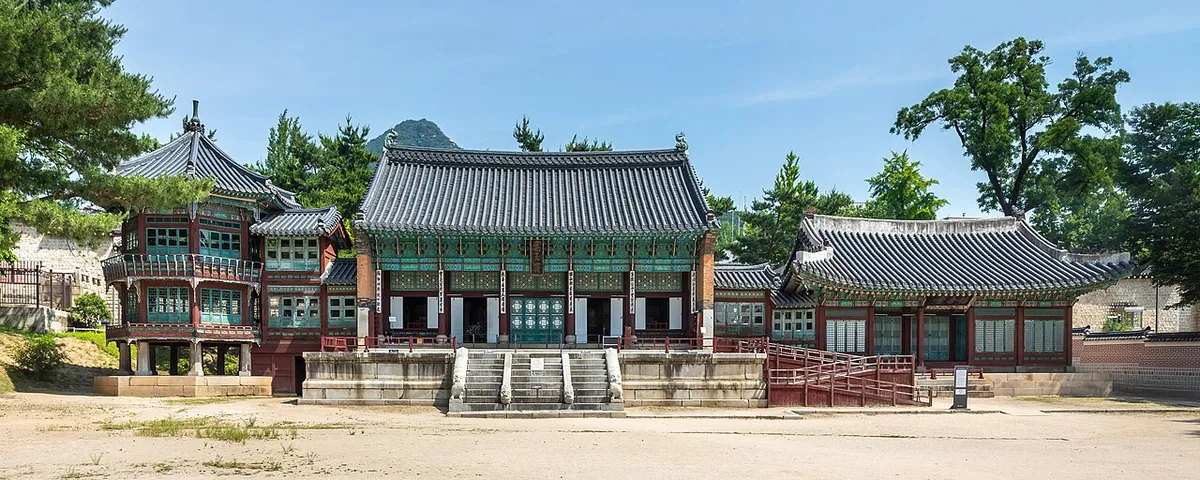
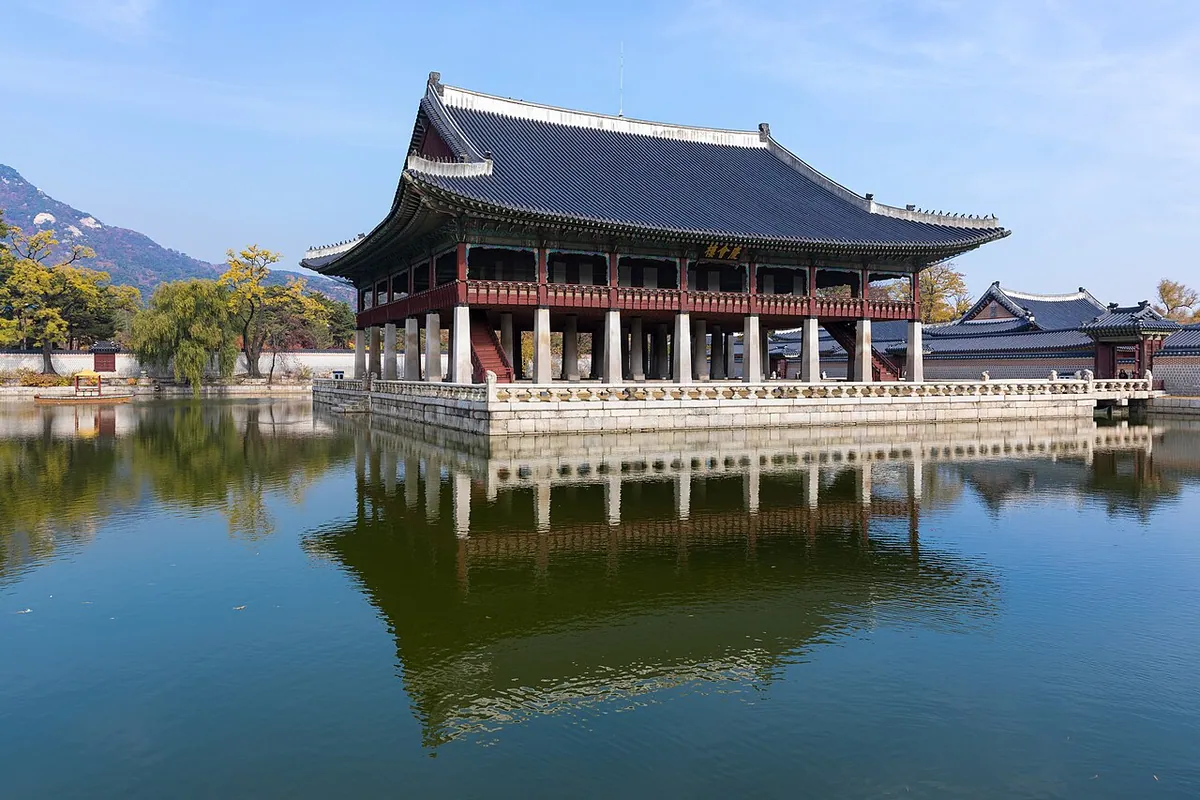
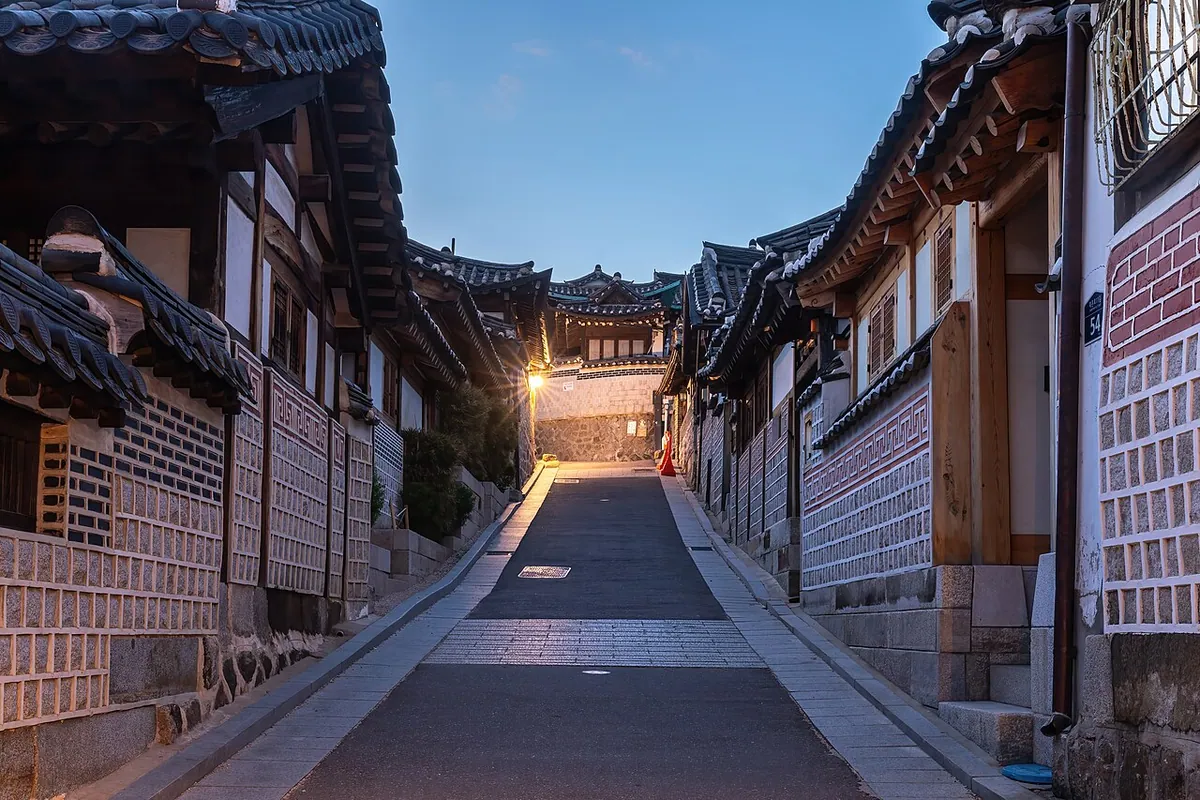
Day one starts in the historic heart of the city around the Jongno district, where you will visit majestic royal palaces and traditional alleyways. Begin your morning at Gyeongbokgung (경복궁) to witness the royal guard changing ceremony, then stroll through the adjacent Bukchon Hanok Village (북촌한옥마을) to observe preserved traditional courtyard homes. For lunch, try regional specialties in Insadong (인사동) before heading down to the Deoksugung Stonewall Walkway for an afternoon stroll. End your first evening near the Cheonggyecheon Stream (청계천) for a lit-night walk among urban waterfalls.
Day two shifts toward modern arts, nature, and panoramic city views. Start your morning with a hike or cable car ride up the Namsan Southern Walking Path to enjoy autumn foliage and overlook the sprawling metropolis. Afterward, head toward the Seoul Museum of Craft Art to view contemporary and historical Korean design exhibitions. Spend your late afternoon browsing the massive retail and architectural marvels at The Hyundai Seoul, which frequently hosts seasonal fashion and cultural showcases. Conclude the night with a riverside picnic or dinner near the Hangang River parks.
Day three focuses on trend-setting youth culture, shopping, and creative districts. Dedicate your morning to exploring creative hubs or specialized galleries, such as checking out current exhibitions at the ARKO Art Center. Spend the afternoon shopping for cosmetics and fashion items in vibrant commercial zones, taking time to pause at local cafes. Wrap up your 3-day adventure with a memorable farewell dinner featuring Korean barbecue or native beef dishes before packing your bags. For accommodation options ranging from boutique hotels in Hongdae to traditional guesthouses, consult our comprehensive Stay section.
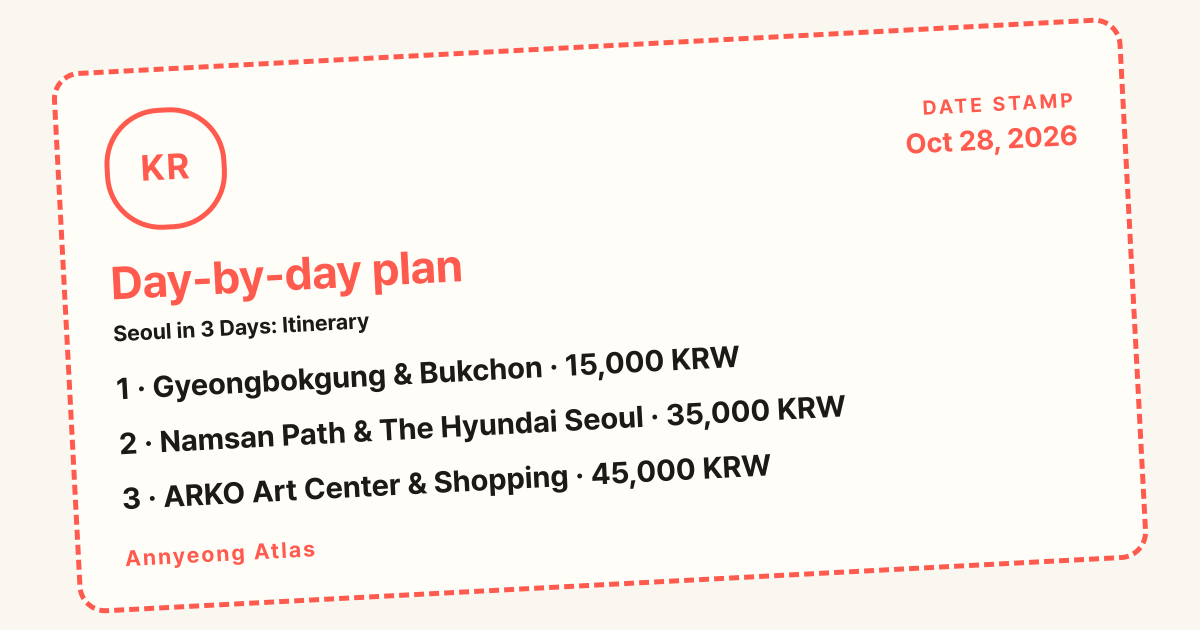
| Day | Stop | Cost (KRW) | About (USD) |
|---|---|---|---|
| 1 | Gyeongbokgung & Bukchon | 15,000 KRW | 11 USD |
| 2 | Namsan Path & The Hyundai Seoul | 35,000 KRW | 26 USD |
| 3 | ARKO Art Center & Shopping | 45,000 KRW | 33 USD |
Daily cost in KRW and USD
Budgeting accurately for a 3-day trip requires understanding the baseline expenses for lodging, transit, meals, and attraction tickets. On average, a standard daily budget sits at roughly ₩200,000, which translates to an approximate figure of US$148 based on an exchange rate of about ₩1,350 per US$1. This estimate assumes you stay in a comfortable mid-range hotel, eat a mix of casual local meals and one nicer sit-down dinner, and utilize public transportation.
Lodging typically constitutes the largest single expense, with standard business hotels or clean guesthouses ranging from ₩80,000 to ₩150,000 per night. Food is remarkably flexible; you can spend as little as ₩8,000 on a hearty bowl of soup at a local market stall or ₩50,000 or more on premium grilled meats. Public transit via subway and bus is inexpensive, rarely exceeding ₩10,000 per day if you are moving between major tourist clusters. Attraction fees are also quite modest, as most major palaces charge nominal entrance fees under ₩5,000.
Incidental costs such as convenience store snacks, coffee, and mobile data rentals will add another ₩15,000 to ₩25,000 to your daily ledger. Cash is still occasionally useful for street food vendors and small market stalls, though contactless card payment is universally accepted across almost all taxis, convenience stores, and restaurants. Always check your bank’s foreign transaction policies to minimize overseas fees. Reviewing official tourism portals for seasonal discount coupons can also yield savings on museum entries and performance tickets.
To keep your finances organized, withdraw local currency from international-compatible ATMs rather than exchanging large sums at airport booths with unfavorable rates. Keep your transit card topped up so you never get delayed at turnstiles during rush hour. If you plan to claim tax refunds on major shopping purchases, remember to carry your passport with you and look for tax-free service signs at checkout counters. Careful planning ensures your money goes toward memorable experiences rather than logistical mistakes.
Getting between stops
Navigating Seoul is straightforward thanks to one of the world’s most efficient and clean subway networks. Every station features English signage, digital route maps, and helpful transfer corridors that make getting from the northern heritage districts to southern commercial centers seamless. You should purchase a reusable transit card, such as a T-money card, at any convenience store or subway station upon arrival. Load it with enough cash to cover your expected journeys to avoid buying single-ride paper tickets for every trip.
Taxis are readily available, relatively affordable, and clean, but traffic congestion during morning and evening rush hours can cause significant delays. Ride-hailing apps operate in the city, though standard street flagging using a local navigation app on your phone works just as well for most travelers. Walking is often the fastest way to move between adjacent attractions in dense neighborhoods like Insadong or Myeongdong. Pay attention to pedestrian signals and use designated underground walkways when crossing major multi-lane thoroughfares.
Bus networks complement the subway system, offering scenic above-ground views of the cityscape. While subway announcements are clearly broadcast in English, bus route maps can sometimes be harder to decipher for first-time visitors unless you rely on a real-time transit app. Make sure to tap your transit card both when boarding and when alighting to ensure correct distance-based fare calculation. Transfers between buses and subways within a specific time window are heavily discounted if you use a registered transit card.
Planning your daily routes in the evening before you head out prevents wasted time staring at station maps during peak hours. Try to group your activities geographically so you spend less time underground and more time exploring. If you encounter any ticketing or transit difficulties, station master offices and customer service windows are staffed by personnel who can assist foreign visitors. Safe, reliable transit forms the backbone of a successful short itinerary in this sprawling metropolis.
What to book before you fly
Securing essential bookings ahead of time guarantees a smooth arrival and eliminates unnecessary stress during your short 3-day stay. Take a moment to complete your pre-trip checklist before departure:
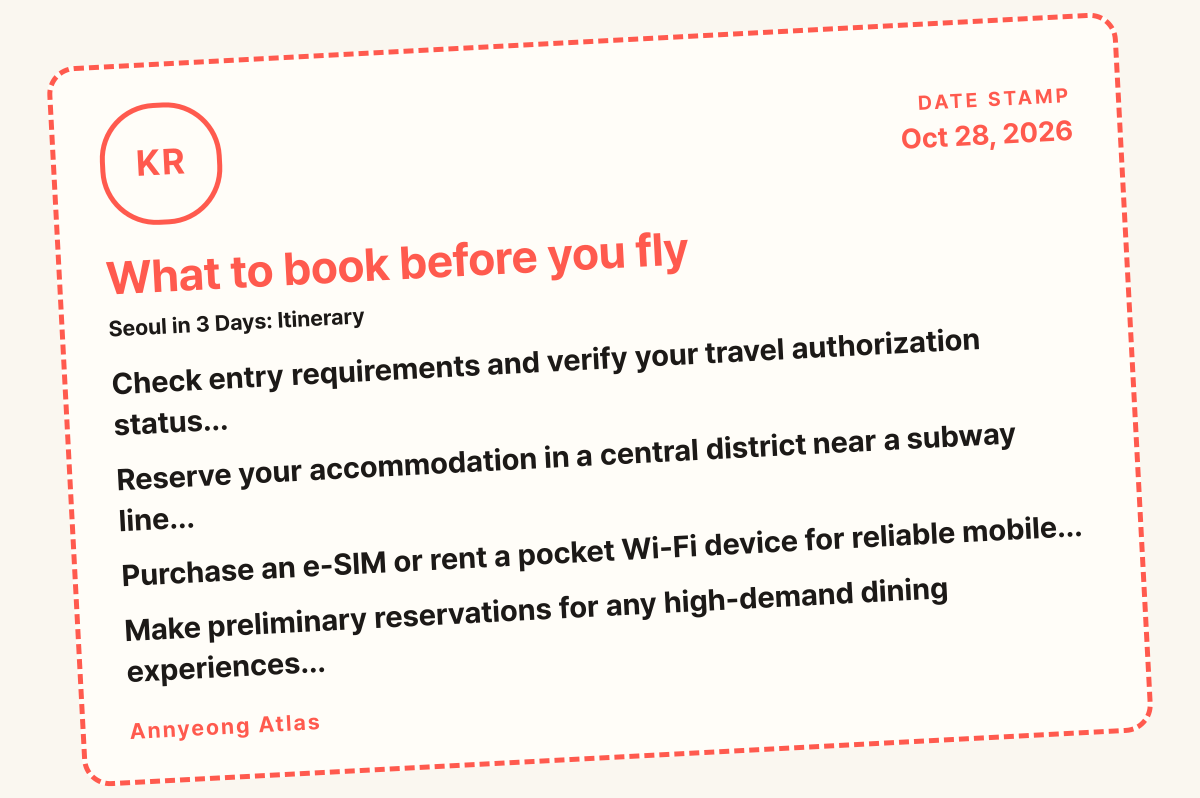
Securing your mobile data solution before you fly is arguably the most critical step, as reliable internet access dictates your ability to navigate streets, translate menus, and check real-time transit updates. Make sure your smartphone is carrier-unlocked so it can accept international e-SIM profiles. You should also notify your credit card issuers of your travel dates to prevent automated fraud locks from freezing your accounts while you are abroad.
Accommodation bookings should be finalized well in advance, particularly if your visit coincides with peak autumn foliage seasons or major public holidays. Look for properties that offer free cancellation policies in case your flight schedules change unexpectedly. Reviewing hotel cancellation deadlines protects you from unexpected fees. Double-check that your passport validity extends at least six months beyond your planned return date to comply with immigration regulations.
Finally, familiarize yourself with emergency contact numbers and the location of your country’s embassy or consulate in Seoul. Keep digital copies of your passport, travel insurance policy, and hotel booking confirmations stored securely in your email or cloud storage. Packing a universal power adapter ensures your electronic devices remain charged throughout your stay. Taking care of these administrative details early frees you up to focus entirely on enjoying your itinerary.
To ensure your trip runs smoothly, review all updated operating hours and seasonal festival schedules on official tourism channels before you step out the door.
More Korea guides: How to complete the Korea e-Arrival card, K-ETA who needs it in 2026: Answers to 8 Questions.
Q&A
Do I need a visa to visit Seoul for 3 days?
Entry visa requirements depend entirely on your nationality, with many foreign visitors eligible for visa-free entry or required to obtain a pre-travel electronic authorization. Always confirm current immigration rules and fee structures on the official government portal (Ministry of Justice) as of 28 October 2026. Applying for your travel authorization at least a week before departure ensures you clear border control without unexpected delays.
Is English widely spoken in Seoul’s tourist areas?
Major tourist attractions, hotels, subway stations, and department stores feature extensive English signage and multilingual staff. However, smaller neighborhood restaurants and older traditional market vendors may only speak Korean. Carrying a translation app on your phone or learning a few basic polite phrases will make your daily interactions much smoother.
What is the best way to pay for things during the trip?
Credit and debit cards are accepted almost everywhere, from large hotels down to convenience stores and coffee shops. It is still wise to keep a small amount of cash on hand for street food vendors or emergency ticket machines. You can easily withdraw local currency from international-compatible ATMs located outside most bank branches.
Are there any specific safety precautions to keep in mind?
Seoul is generally considered one of the safest major metropolitan cities in the world for travelers, with very low rates of violent crime. Standard urban awareness, such as watching your belongings in crowded markets and respecting local pedestrian laws, is all that is required. For peace of mind, review safety updates and guidelines on the official Visit Seoul page (Visit Seoul office) as of 28 October 2026.
How should I dress for a 3-day trip in autumn?
Autumn weather in Seoul features crisp, clear days with cool evenings, requiring layered clothing like light jackets, sweaters, and comfortable walking shoes. Temperatures can drop significantly after sunset, particularly when walking near open riverside parks or hillside paths. Packing versatile layers allows you to adjust comfortably as indoor heating varies widely between venues.
Related guides
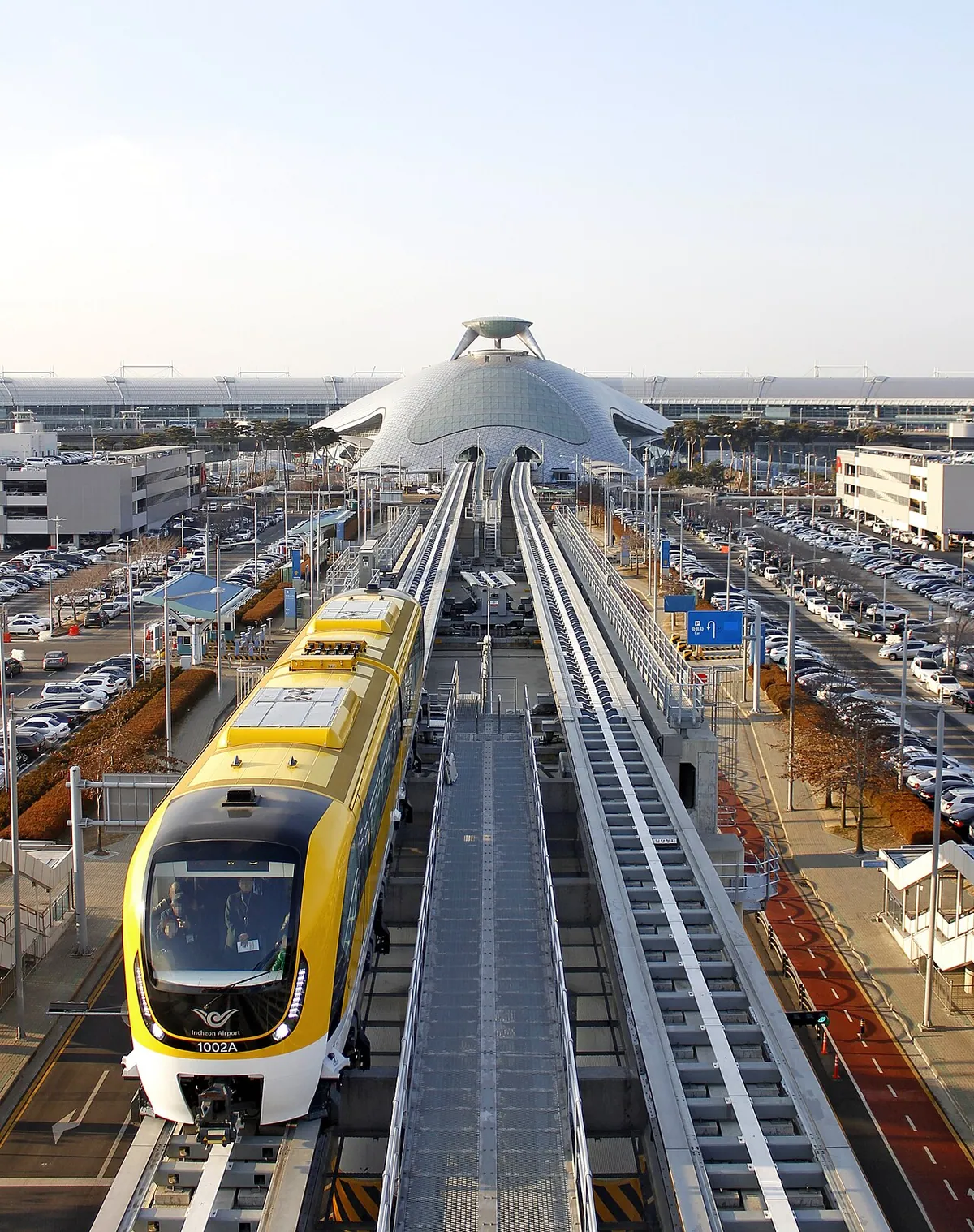
How to complete the Korea e-Arrival card
How to complete the Korea e-Arrival card: To complete the Korea e-Arrival card, visit the official Ministry of Justice portal, input your passport and…
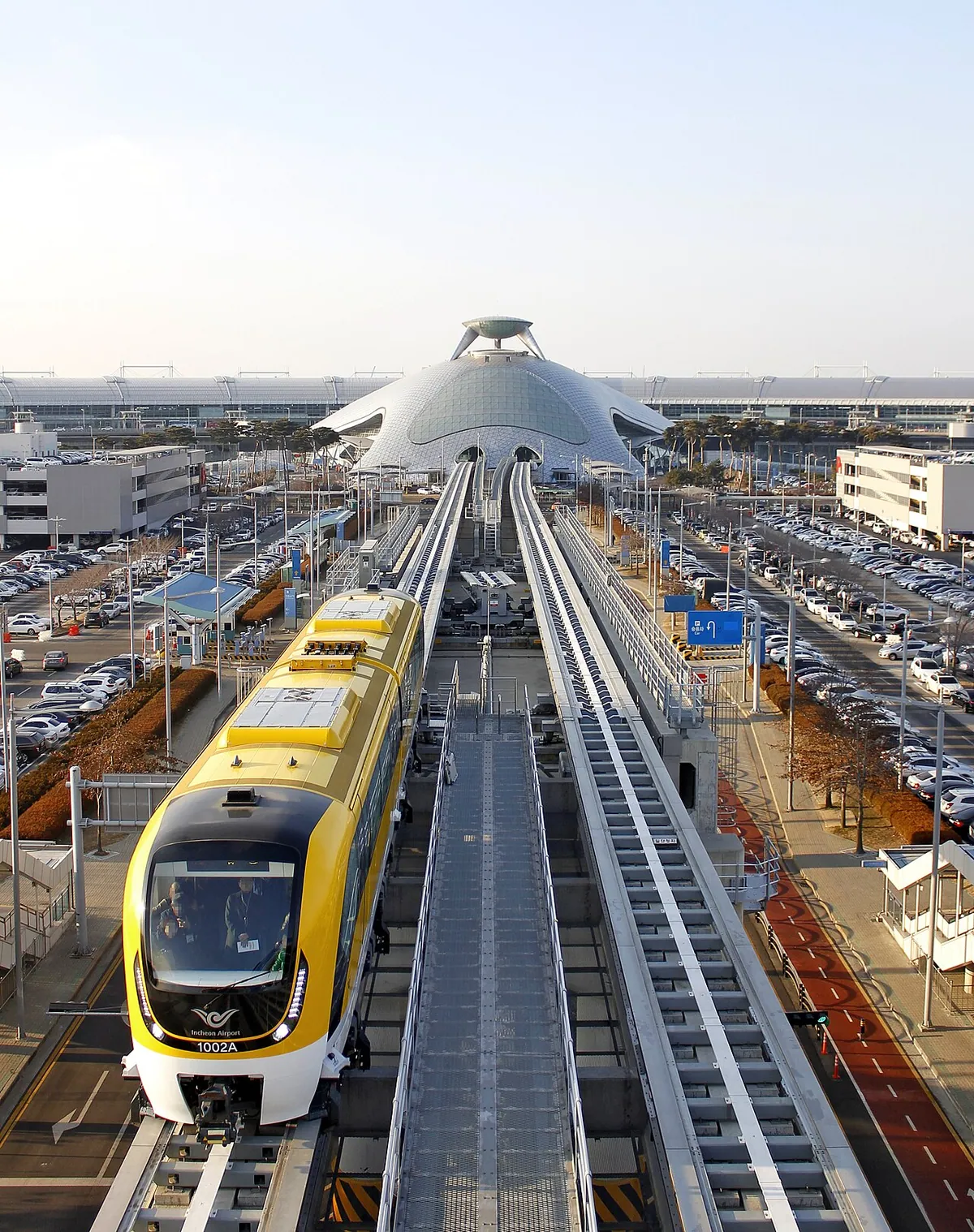
K-ETA who needs it in 2026: Answers to 8 Questions
K-ETA who needs it in 2026: Travelers from eligible visa-waiver countries need a K-ETA unless they fall under specific temporary exemptions valid…
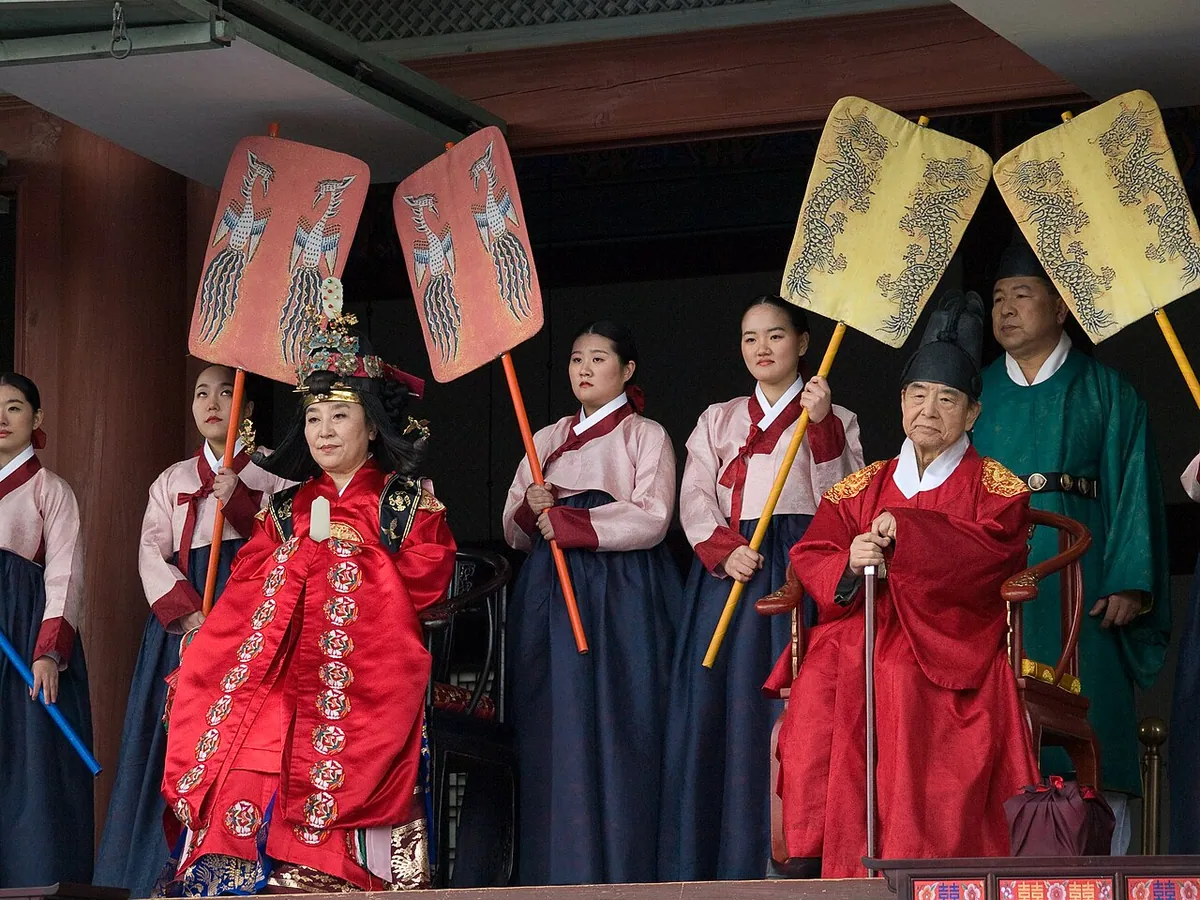
Korea autumn leaves 2026
Korea autumn leaves 2026 peak across the country from mid-October through mid-November.
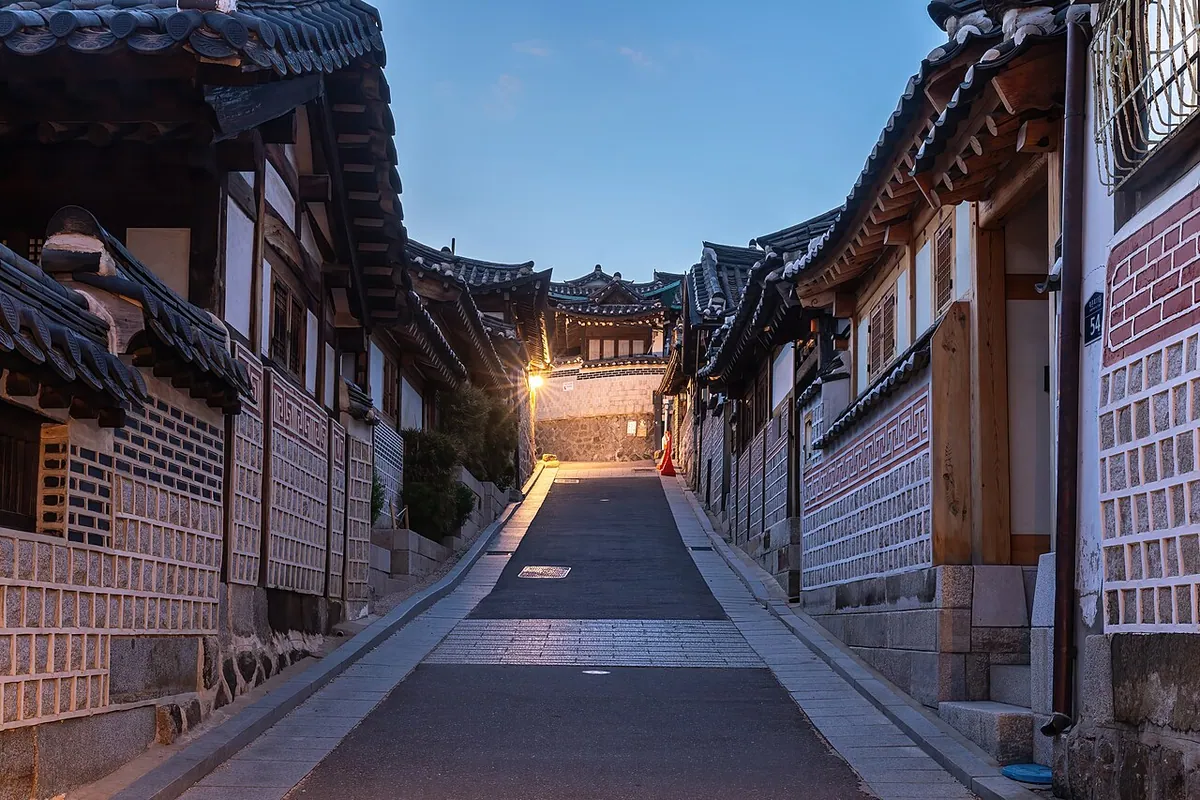
Best areas to stay in Seoul
Best areas to stay in Seoul: When researching the best areas to stay in Seoul, first-time international travelers should prioritize central districts…