
Last verified: Oct 28, 2026 · Sources: 5
Best areas to stay in Seoul
Best areas to stay in Seoul: When researching the best areas to stay in Seoul, first-time international travelers should prioritize central districts…
- Section
- Stay
- Last verified
- Oct 28, 2026
- Sources
- 5
- Cluster
- stays
On this page
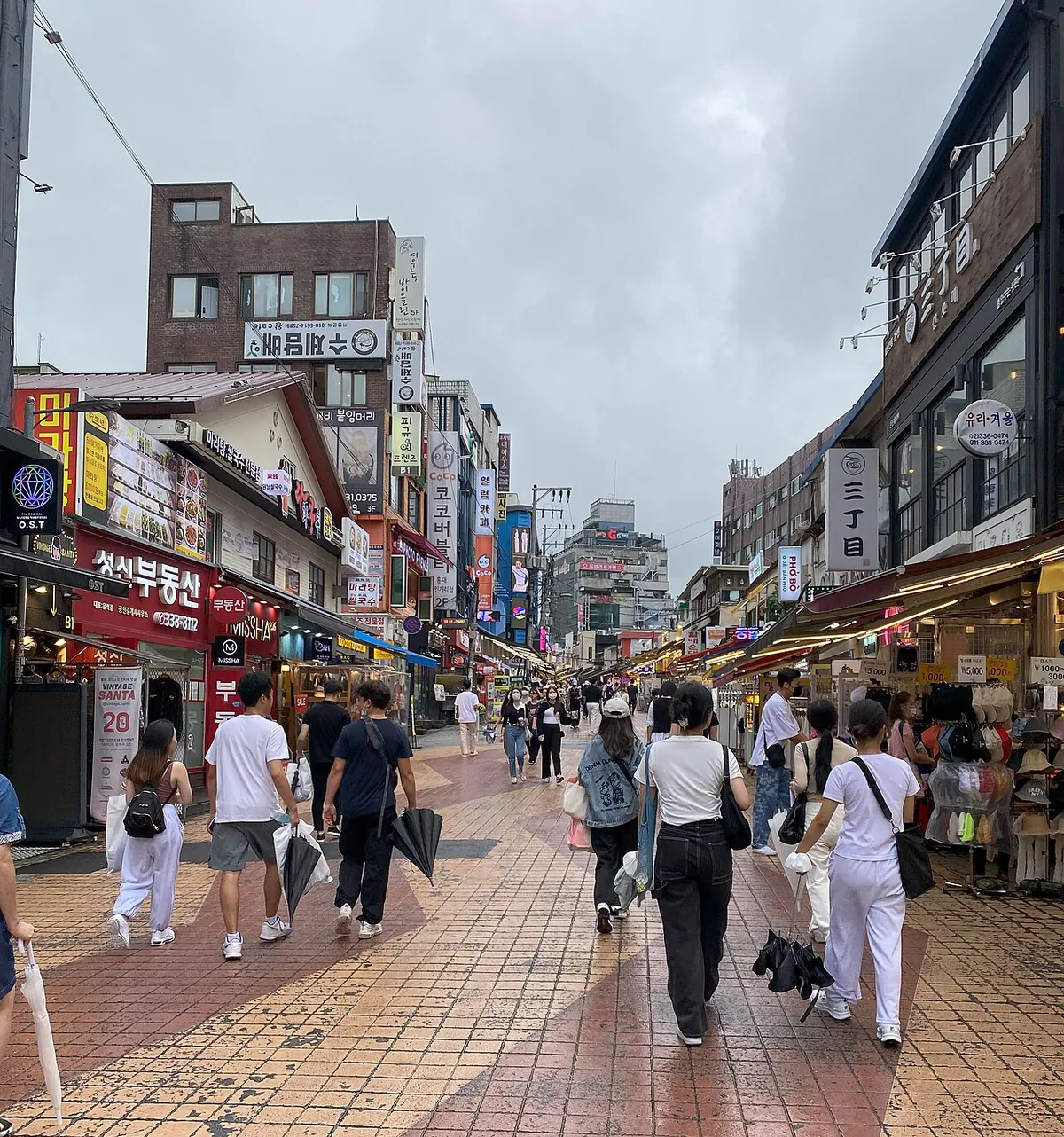
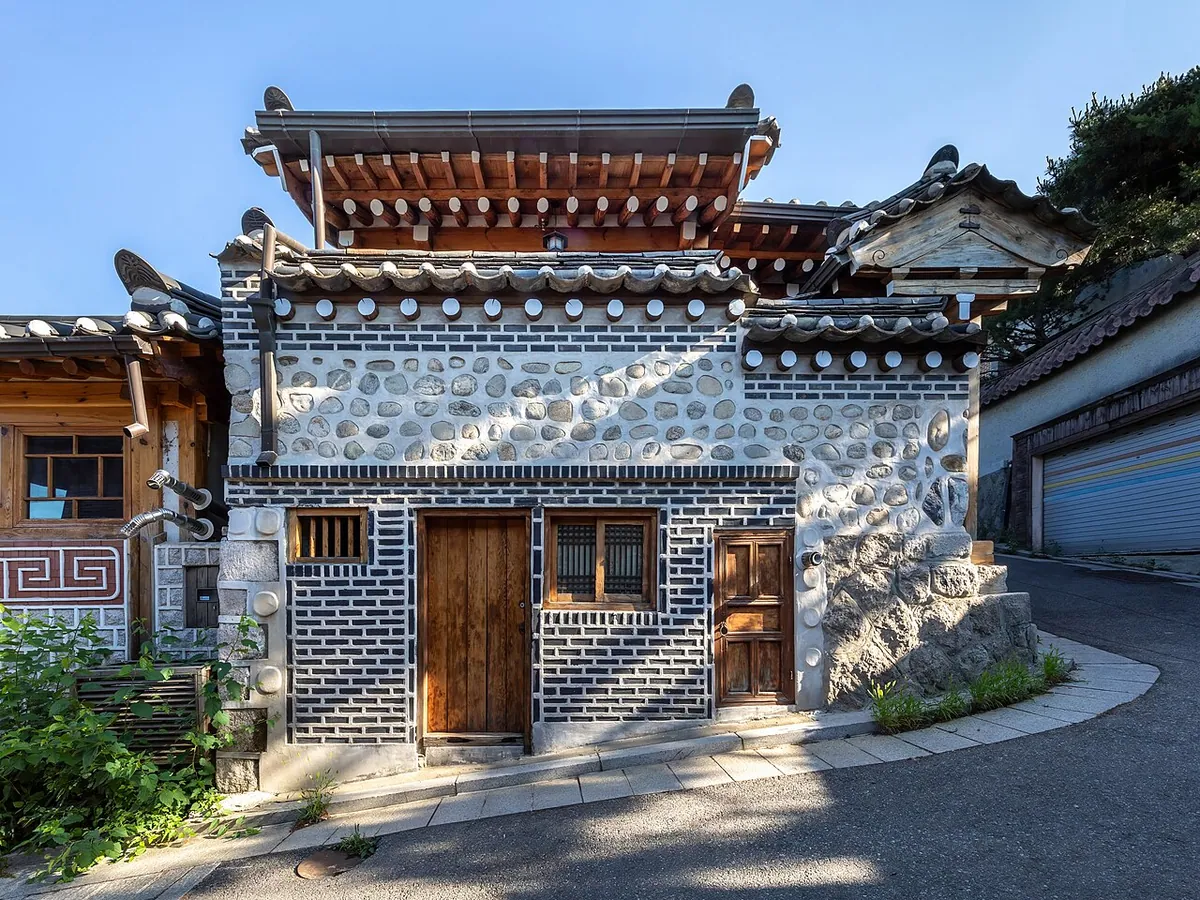
First-time visitors who want quick access to ancient palaces, traditional alleyways, and central transit links should focus their search on central historic neighborhoods like Jongno and Bukchon Hanok Village. Travelers who prefer modern shopping malls, late-night entertainment districts, or quiet suburban residential streets should pick another area further south or west.
Who is this area for?
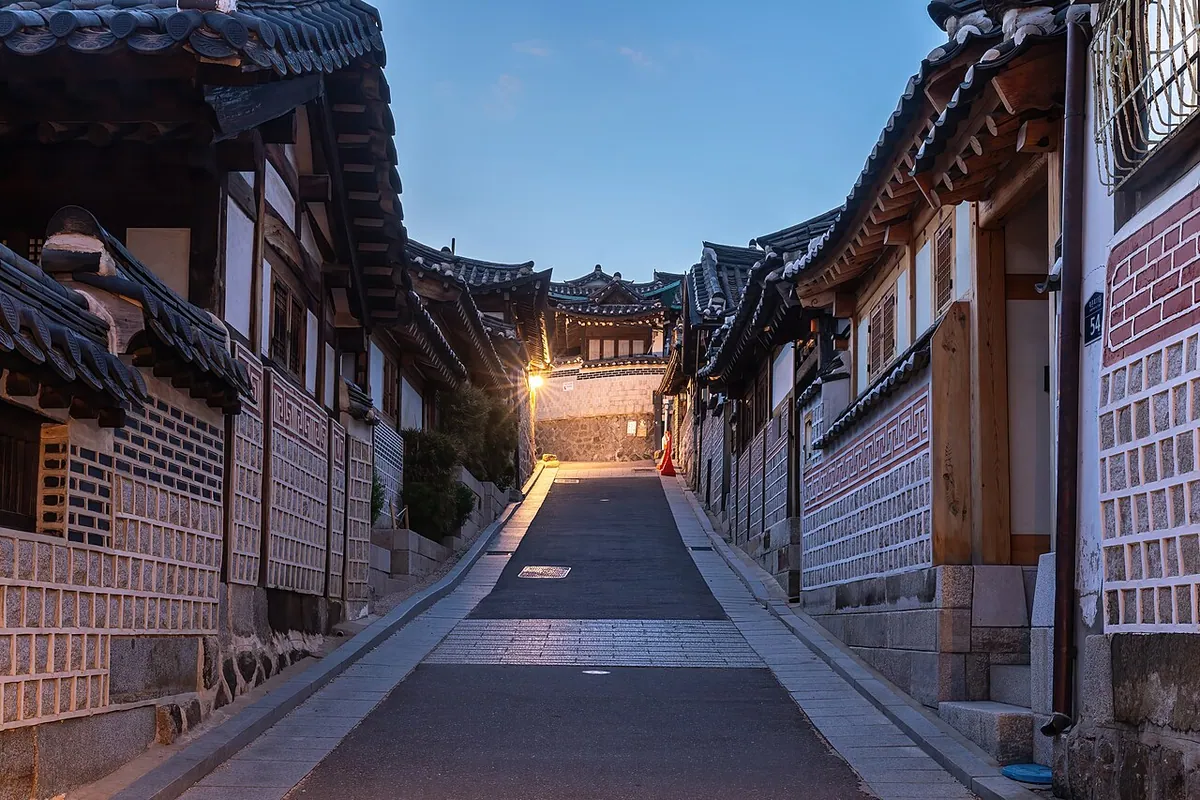
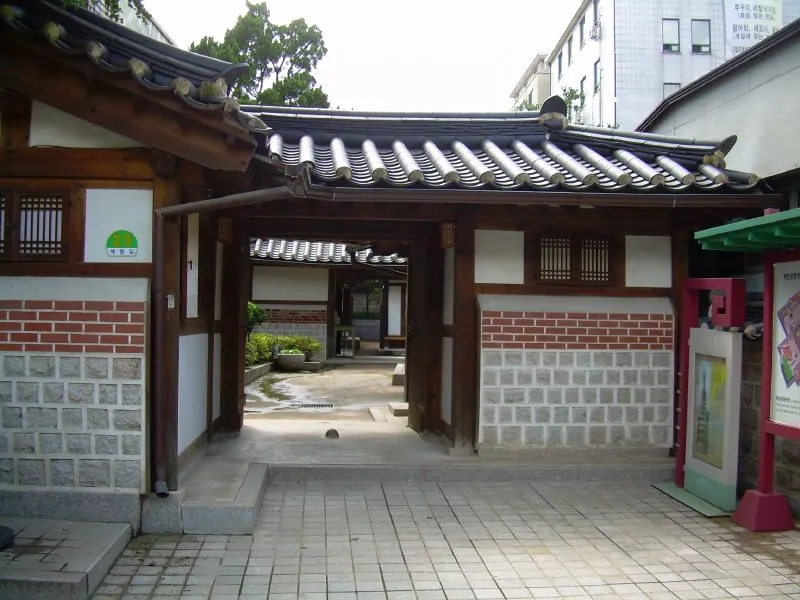
Choosing the right neighborhood in Seoul depends heavily on whether your primary goal is historical sightseeing, deep cultural immersion, or late-night urban exploration. Central historic districts serve history buffs, architecture enthusiasts, and first-time travelers exceptionally well because they place you within walking distance of major royal palaces, museums, and restored traditional hanok neighborhoods. If you want to wake up and immediately step out into quiet alleys lined with tiled rooftops dating back to the late 19th and early 20th centuries, staying in a preserved neighborhood provides an atmosphere that modern high-rise districts simply cannot replicate.
Beyond sightseeing, these central locations are ideal for visitors who rely heavily on public transportation rather than taxis or rental cars. Subway lines intersect frequently through the city center, making it straightforward to connect to Incheon International Airport or transfer to other cultural hubs across the metropolitan area. If you enjoy starting your morning with a walk along historic streams like Cheonggyecheon (청계천) or visiting artisan workshops practicing traditional crafts such as gold leaf application, you will find that staying in the heart of the city minimizes daily transit fatigue and maximizes your time exploring. To dive deeper into local heritage, travelers can also look into traditional programs like a Templestay (템플스테이) experience, which typically ranges around 70,000 KRW ($50 USD) per night depending on the specific monastic schedule and program type.
However, these neighborhoods are generally not recommended for travelers whose main priorities are high-end modern shopping malls, massive neon-lit nightlife districts, or extremely quiet suburban retreats. The central historic zones experience heavy foot traffic during peak tourist hours, and local regulations restrict visitor access hours in certain residential hanok zones—such as limiting non-guest entry from 10 a.m. to 5 p.m. in Bukchon (북촌) as of January 2025 according to updates from the Seoul Metropolitan Government (서울시). Before finalizing your accommodation, it is also smart to review official resources on the Welcome to Seoul, Visit Seoul portal for any seasonal transit advisories or special festival closures. If you prefer a contemporary glass-tower hotel with sprawling city views, or if you want to stay out past midnight in bustling youth districts, you should look toward other commercial sectors of the capital.
When selecting accommodations near the heart of the city, travelers should also consider proximity to scenic urban walking trails and seasonal outdoor events that showcase the capital’s vibrant landscape. For instance, visitors staying in central districts can easily access the Namsan Southern Walking Path, which offers breathtaking autumn colors and panoramic views of the illuminated cityscape. Another remarkable option for culturally curious guests is participating in programs like a specialized weekend workshop, with registration fees varying by provider or program type, so you should confirm on the official page for exact pricing.
Navigating the metropolitan area is exceptionally efficient when your hotel is situated close to major subway stations and transit hubs managed by the Seoul Metropolitan Government (서울시). If your travel dates coincide with special autumn celebrations, you can easily join seasonal festivities such as the Namsan Night Festival or catch cultural exhibitions running through December 6, 2026, at the ARKO Art Center. By choosing a well-connected lodging area, you ensure seamless daily transit whether you are heading out for early morning sightseeing or returning late from an evening stroll along the restored waterways.
Good for / skip if
| Good for | Skip if | Transit | Night cost |
|---|---|---|---|
| First-time visitors, history lovers, palace tours, traditional hanok stays | Late-night clubbers, modern mega-mall shoppers, drivers | Excellent subway and bus coverage | ₩95,000–₩200,000 / $70–$150 approximate |
Planning your accommodation logistics requires weighing the unique character of central Seoul against its practical limitations. To help structure your booking decisions, consider the following checklist items before finalizing your reservations:
Navigating the accommodation landscape also involves understanding the rhythm of local neighborhoods. While daytime sightseeing is vibrant and bustling, residential historic zones quiet down significantly in the evening due to strict noise ordinances requested by long-term residents. Visitors who appreciate a peaceful night and a slower pace after sunset will thrive here, whereas travelers seeking active night markets right outside their doorstep may find the residential alleys too subdued after dark.
When organizing your itinerary, check if seasonal events like the K-Hanbok Parade Series at The Hyundai Seoul running from September 12, 2026, to November 1, 2026, influence your travel dates. This performance reinterprets traditional Korean clothing with a modern sensibility, making it an engaging stop for fashion enthusiasts visiting the city. You should also review official travel portals like Visit Seoul and the Seoul Metropolitan Government for real-time updates on local transport and cultural exhibitions before your arrival.
Budget-conscious explorers aiming for alternative cultural immersions can look into programs like a Templestay experience to deepen their understanding of local heritage. It is important to confirm cancellation policies and exact fees directly on the official page, since pricing varies by season and temple location. By carefully weighing these distinct neighborhood dynamics, transit access points, and seasonal festivals, you can secure an ideal base for exploring the capital efficiently and comfortably.
How to get there and around
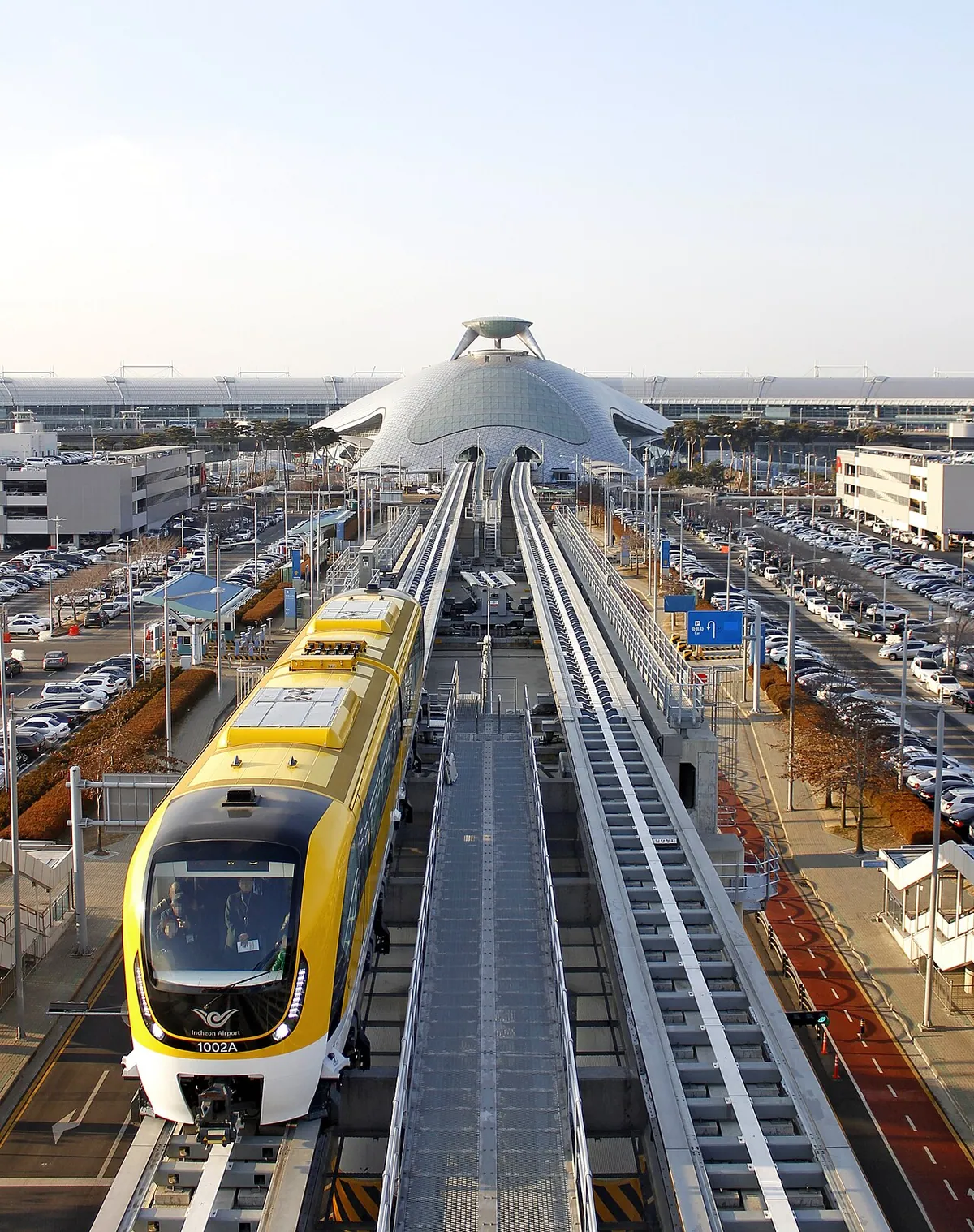
Reaching central Seoul from Incheon International Airport is a straightforward process utilizing either the Airport Railroad Express (AREX) or airport limousine buses. Trains depart regularly, bringing passengers directly into central transit hubs where you can transfer to local subway lines. Once settled in your neighborhood, navigating the city is remarkably efficient thanks to an extensive underground rail network and comprehensive bus system. You can consult the Tools section for helpful navigation apps and transport card tips.
To ensure a smooth transit experience during your stay, follow these practical steps:
- Purchase a rechargeable transportation card at any station convenience store immediately upon arrival.
- Download an offline-capable navigation application or map tool recommended for domestic transit routing.
- Keep your destination station name written in both English and Korean characters to show drivers if necessary.
- Check real-time arrival boards on platform screens to confirm train directions and destinations.
Transit etiquette in the capital is strictly observed by locals and visitors alike. Keep your voice down while riding trains and buses, refrain from consuming hot food in enclosed carriages, and always yield designated priority seating to elderly passengers, pregnant travelers, and individuals with mobility challenges. By respecting these unwritten local customs, you will blend in seamlessly with daily commuters and enjoy a stress-free journey across the metropolitan landscape.
When planning your daily excursions from neighborhoods like Bukchon Hanok Village (북촌한옥마을), remember that exceptional travel flexibility comes from utilizing integrated public amenities. You can purchase single-use tokens or load up your smart pass with fares starting at approximately 1,500 KRW ($1.10 USD) for basic subway journeys, though exact fees can fluctuate and you should confirm on the official page before departure.
During autumn events like the K-Hanbok Parade Series at The Hyundai Seoul (더현대 서울) running through November 1, 2026, stations can experience heavy foot traffic, making early morning transits advisable. If your itinerary involves visiting cultural sites near Jongno 3-ga (3) or enjoying seasonal illuminations along the Namsan Southern Walking Path (남산 소나무길), taking advantage of the Seoul Metropolitan Government’s public transit network ensures you avoid street-level congestion. Always verify your route ahead of time, especially when transitioning between high-speed rail lines and local municipal buses.
When planning your accommodation in Seoul, choosing the right neighborhood allows you to experience unique cultural districts like Bukchon Hanok Village (북촌한옥마을) while maintaining effortless access to the city’s vast transit network. Visitors exploring central sectors can easily transition to historical attractions such as Jongno 3-ga (3) or enjoy peaceful strolls along the Namsan Southern Walking Path (남산남측산책로). Public transit fares for basic subway journeys start at approximately ₩1,500 (about $1.10), though exact fees can fluctuate and you should confirm on the official page before departure.
Navigating between popular lodging zones during major seasonal events requires careful timing to avoid heavy commuter crowds. For instance, the K-Hanbok Parade Series at The Hyundai Seoul runs through November 1, 2026, drawing significant crowds to surrounding commercial districts and transit hubs. Staying informed through the Seoul Metropolitan Government’s official channels helps travelers optimize their daily itineraries and choose accommodations that best fit their exploration style.
Where to eat and what it costs
Dining in central Seoul offers an immense variety of culinary experiences, ranging from humble street food stalls along historic market alleys to refined temple-inspired vegetarian cuisine. Traditional dining establishments often feature floor-seating arrangements and menus centered around seasonal local ingredients, broths, and grilled meats. For a comprehensive overview of local culinary hotspots, explore our dedicated Eat guide.
When budgeting for daily meals, expect to pay moderate prices depending on your dining style. A casual meal at a local neighborhood restaurant or food market typically costs between ₩8,000 and ₩15,000 (about $6 to $11 approximate), while sit-down meals featuring specialized local dishes or barbecue range from ₩20,000 to ₩50,000 (about $15 to $37 approximate) per person. International coffee shops and traditional teahouses charge around ₩5,000 to ₩8,000 (about $4 to $6 approximate) for specialty beverages. Special exhibitions or seasonal pop-ups held across town, such as the K-Hanbok Parade Series at The Hyundai Seoul running through November 1, 2026, often feature themed cafe collaborations with set menus priced around ₩12,000 (about $9 approximate).
Balancing your food expenses is easy if you mix casual street snacks with sit-down dining experiences. Traditional markets provide fantastic opportunities to sample authentic local flavors without spending heavily. Always carry a small amount of cash alongside your credit card, as certain smaller family-run market stalls may occasionally prefer cash transactions for quick takeaway items.
Choose your accommodation based on whether you want historic charm or modern nightlife, and review our neighborhood overview before booking. You can also explore local cultural sites near your accommodation, such as the special exhibition of Chang Eungbok’s craft works at the Seoul Museum of Craft Art running from September 22, 2026, to March 7, 2027, with admission fees listed as confirm on the official page.
More guides in this section: Stay.
When selecting a neighborhood for your stay in the capital, consider how proximity to major cultural landmarks can influence your daily itinerary. Travelers seeking a blend of historic charm and contemporary convenience often look toward central districts near ancient palaces and scenic pathways. For instance, staying close to the Namsan Southern Walking Trail places you right next to long walking paths saturated in breathtaking autumn colors, offering a serene escape just minutes away from bustling commercial avenues. Alternatively, booking a room near the Deoksugung Stonewall Walkway allows you to experience a stone wall walkway exhibiting a stoic fortitude, brimming with both rich history and elegant charm every morning before the city fully wakes up.
Accommodations in these prime locations cater to diverse preferences, ranging from traditional guesthouses tucked into quiet alleyways to modern high-rise hotels equipped with state-of-the-art amenities. If you prefer modern retail therapy and vibrant entertainment districts, areas surrounding large lifestyle hubs like The Hyundai Seoul provide immediate access to trendy pop-up events and exhibition spaces. Meanwhile, cultural enthusiasts visiting during seasonal events can easily plan trips to specialized venues, such as checking out ARKO Art Center where the collection exploring the institution’s history runs through December 6, 2026. Be sure to check public transit connections near your chosen lodging to ensure seamless travel across the city’s extensive subway network.
More Korea guides: Plan.
Q&A
What are the main rules for visiting historic hanok villages?
Visitors must respect local residents by keeping noise levels to a minimum, avoiding littering, keeping group sizes under 10 people, and adhering to daytime-only entry windows if they are not staying overnight in a registered guesthouse (Seoul Metropolitan Government).
Are English services readily available for travelers staying in central Seoul?
Yes, major tourist information centers, subway announcements, and museum exhibits provide clear English guidance to assist foreign visitors throughout their stay.
How do I pay for public transportation in Seoul?
You can use a rechargeable transit card purchased at convenience stores or subway stations, which works across all local subways, buses, and designated urban bike rentals.
What is the typical price range for mid-range hotels in central districts?
Standard mid-range accommodations in central historic districts generally cost between ₩95,000 and ₩200,000 (about $70 to $150 approximate) per night, depending on the season and exact room type.
Can international visitors participate in traditional temple stays?
Yes, cultural programs such as Seon meditation, tea ceremonies, and monastic meals are available at various temple locations across the city through official reservation channels (Templestay Center).
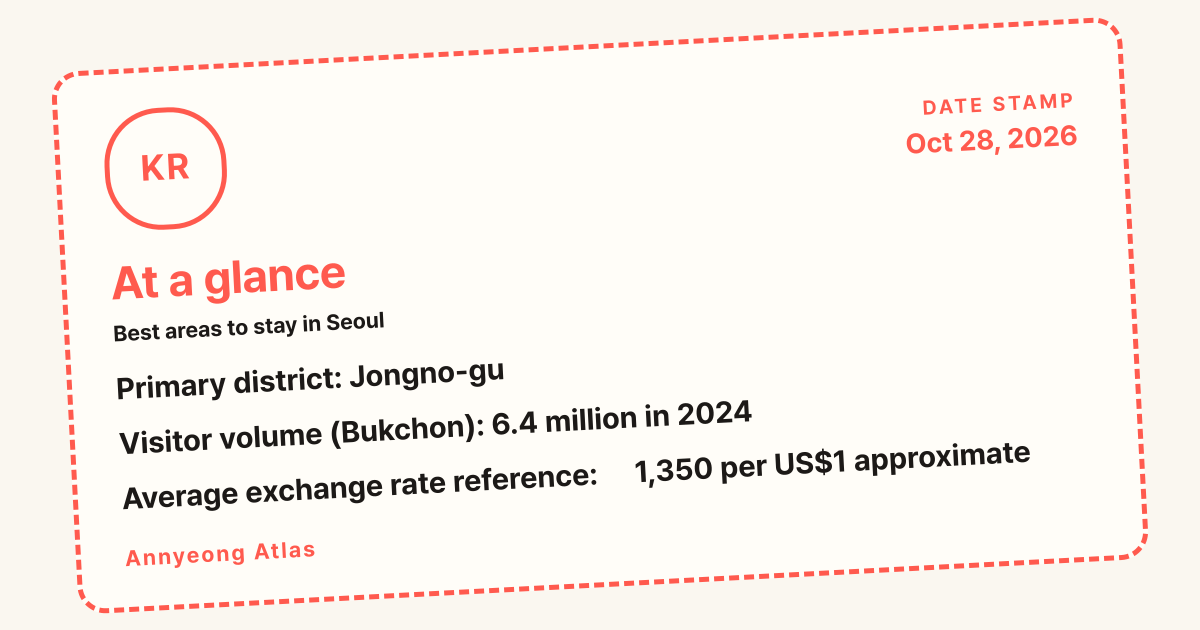
At a glance
- Primary district: Jongno-gu
- Visitor volume (Bukchon): 6.4 million in 2024
- Average exchange rate reference: ₩1,350 per US$1 approximate
Related guides
How to complete the Korea e-Arrival card
How to complete the Korea e-Arrival card: To complete the Korea e-Arrival card, visit the official Ministry of Justice portal, input your passport and…
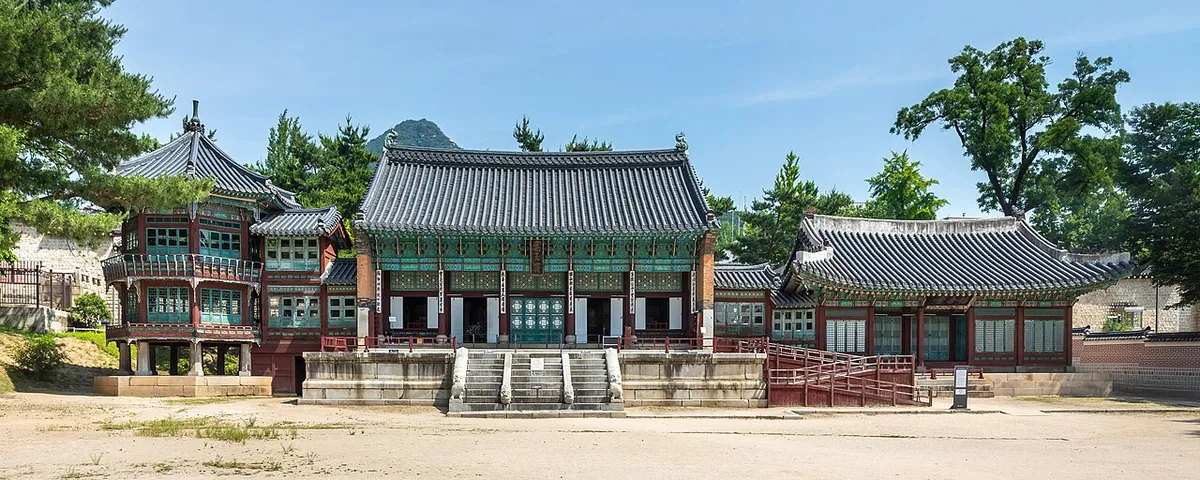
Seoul in 3 Days: Itinerary
To complete a well-paced 3-day Seoul itinerary, focus your trip on major cultural landmarks like Gyeongbokgung (경복궁), scenic walking trails such as the…
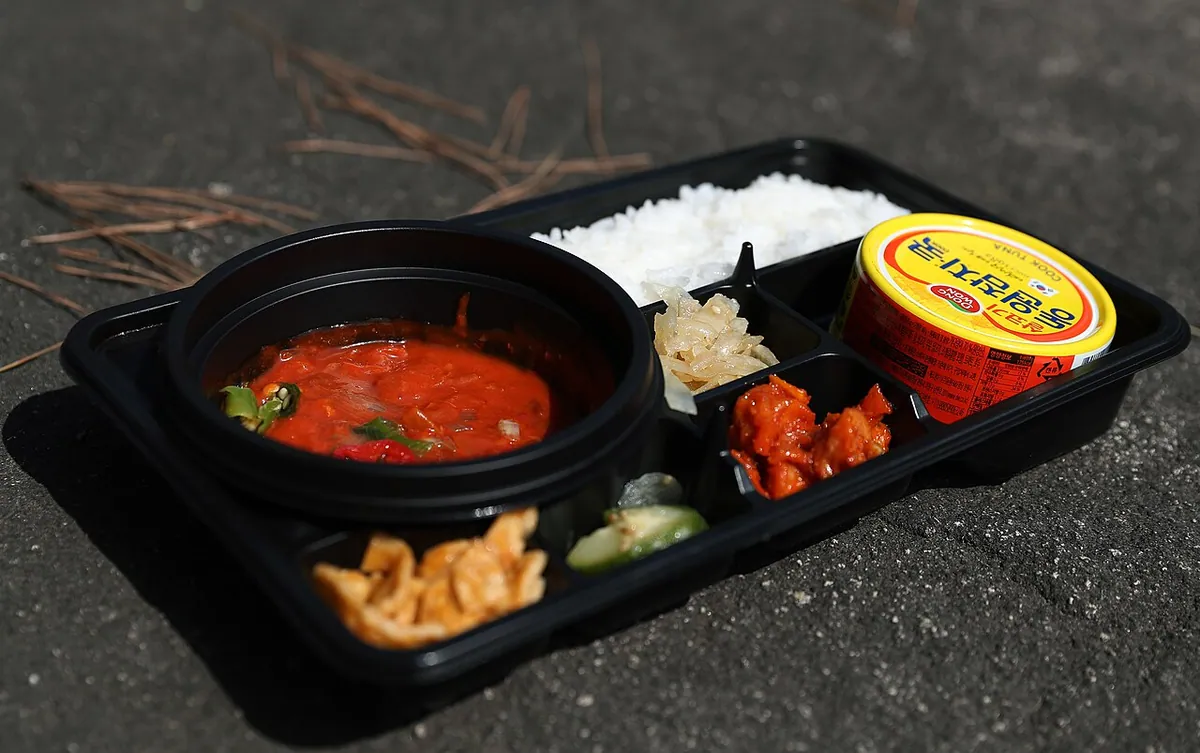
Korea daily travel budget (2026 Prices)
Preparing a realistic Korea daily travel budget for your trip on 28 October 2026 requires understanding your personal style, as daily spending ranges fr…
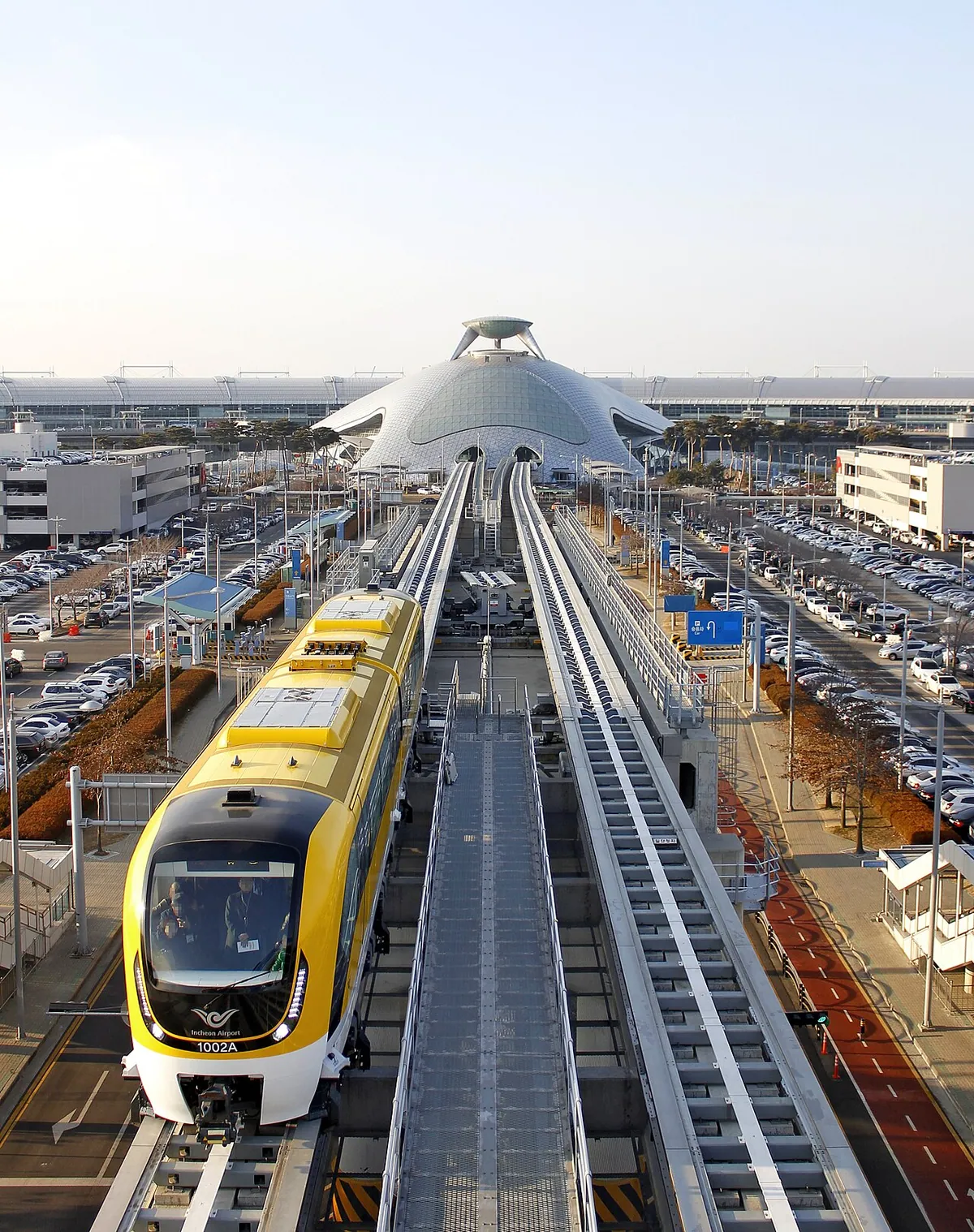
K-ETA who needs it in 2026: Answers to 8 Questions
K-ETA who needs it in 2026: Travelers from eligible visa-waiver countries need a K-ETA unless they fall under specific temporary exemptions valid…