
Last verified: Oct 28, 2026 · Sources: 5
Korea daily travel budget (2026 Prices)
Preparing a realistic Korea daily travel budget for your trip on 28 October 2026 requires understanding your personal style, as daily spending ranges fr…
- Section
- Tools
- Last verified
- Oct 28, 2026
- Sources
- 5
- Cluster
- apps-money
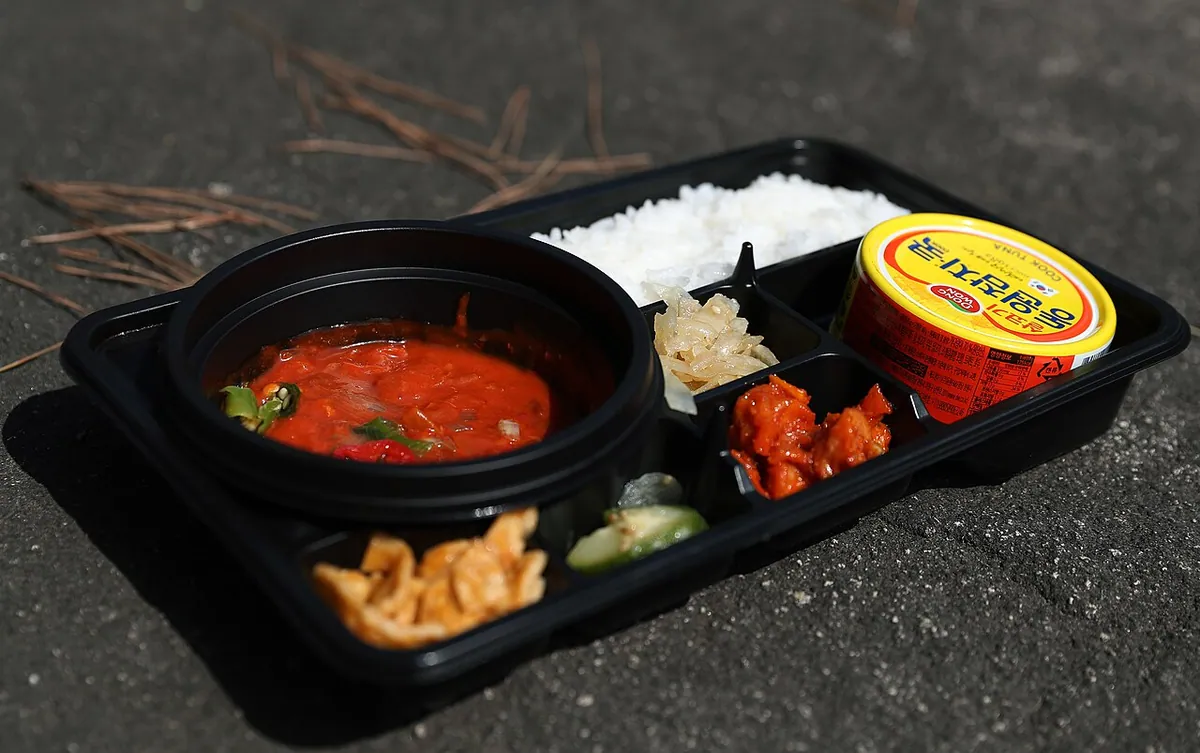
A typical mid-range traveler in South Korea spends about ₩150,000 per day, which is roughly equivalent to US$111 at an approximate rate of ₩1,350 per US$1. This baseline covers standard accommodation, casual dining, and local transit within major hubs like Seoul (서울).
What will you actually pay?
When mapping out your daily expenditures in South Korea, separating your primary spending categories prevents unexpected shortfalls during your journey. Accommodation often commands the largest share of your daily outlay, followed closely by dining, local transport, and miscellaneous leisure activities. For comprehensive trip organization, review the advice available on our Plan hub before you lock in your hotel reservations and train tickets. Hostels and budget guesthouses in areas like Jongno (종로) typically run between ₩25,000 and ₩50,000 per night for a dormitory bed or compact private room, while standard business hotels range from ₩90,000 to ₩150,000 per night. If you prefer upscale international properties, nightly rates easily exceed ₩300,000, altering your overall travel calculations significantly.
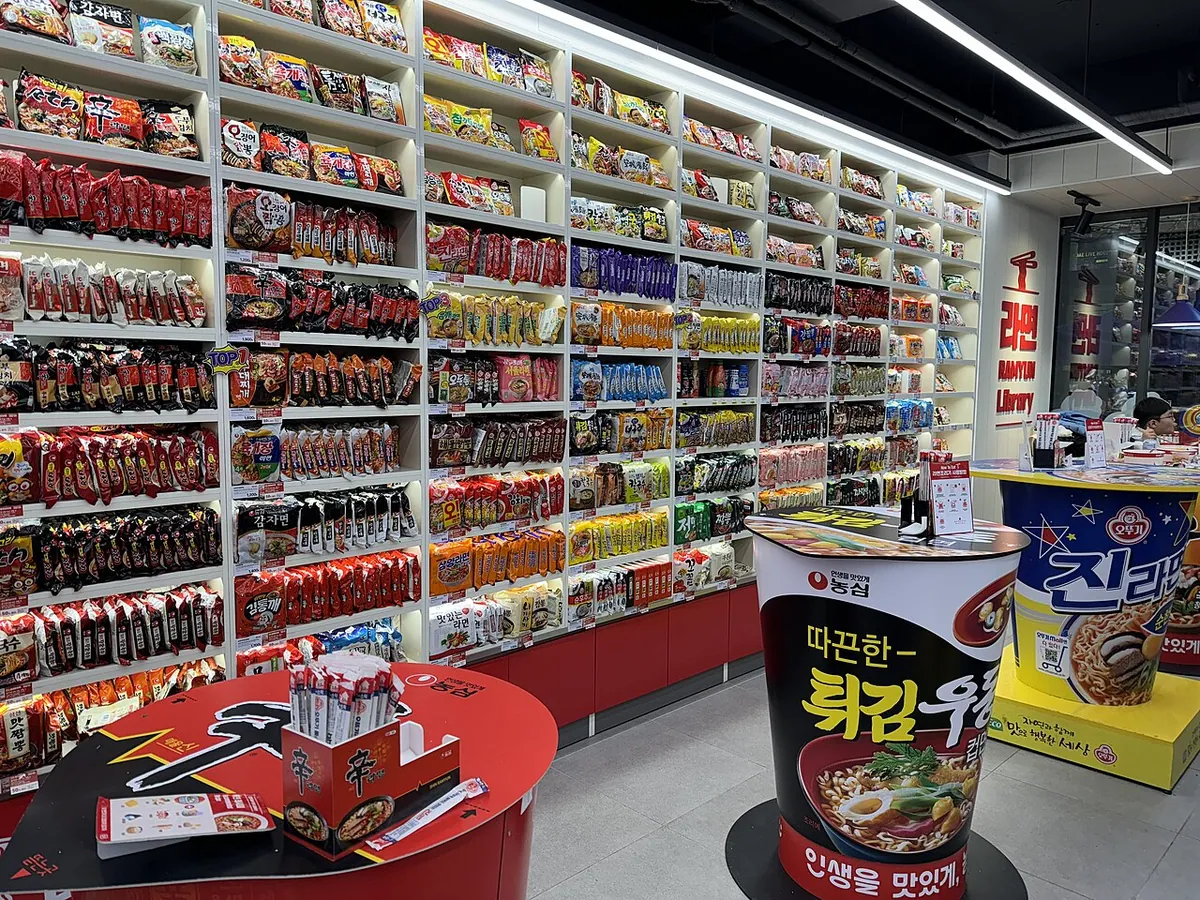
Food expenses remain remarkably flexible, allowing you to balance inexpensive street snacks with sit-down culinary experiences. A simple breakfast at a convenience store or local bakery costs around ₩5,000 to ₩10,000, while a satisfying lunch of noodles or soup at a casual neighborhood restaurant runs ₩10,000 to ₩15,000. Dinner featuring grilled meats or seafood, accompanied by side dishes, generally reaches ₩25,000 to ₩50,000 per person. To explore diverse dining neighborhoods and traditional markets across the country, check the recommendations provided in our Eat guide for local specialties and pricing tips. Snacking on street food at bustling night markets adds a fun and inexpensive dimension to your culinary routine without straining your daily allowance.
Transportation costs inside major cities like Seoul (서울) stay remarkably low thanks to an integrated subway and bus network. Tapping into public transit with a rechargeable card usually totals ₩6,000 to ₩12,000 per day for standard cross-town commutes. Taxis offer an affordable alternative for late-night journeys or heavy luggage, with base fares starting modestly before climbing by distance. For intercity travel, high-speed rail connections operated by the central rail network link the capital to regional destinations efficiently. Review our Stay section for accommodation locations near major transit interchanges, which can cut down your daily commuting expenses and save valuable travel time.
Miscellaneous costs, including entrance fees to historic palaces such as Gyeongbokgung (경복궁), cafe visits, and mobile connectivity, add another ₩15,000 to ₩30,000 daily. South Korea features a vibrant cafe culture, and spending ₩5,000 to ₩7,000 on specialty coffee is a standard daily ritual for many visitors. Souvenirs, museum admissions, and occasional convenience store runs round out your incidental expenses. To ensure you have access to reliable translation apps, digital maps, and real-time currency converters during your outings, consult the recommended utilities listed on our Tools hub. Careful tracking of these minor purchases ensures your total spending aligns with your initial financial targets.
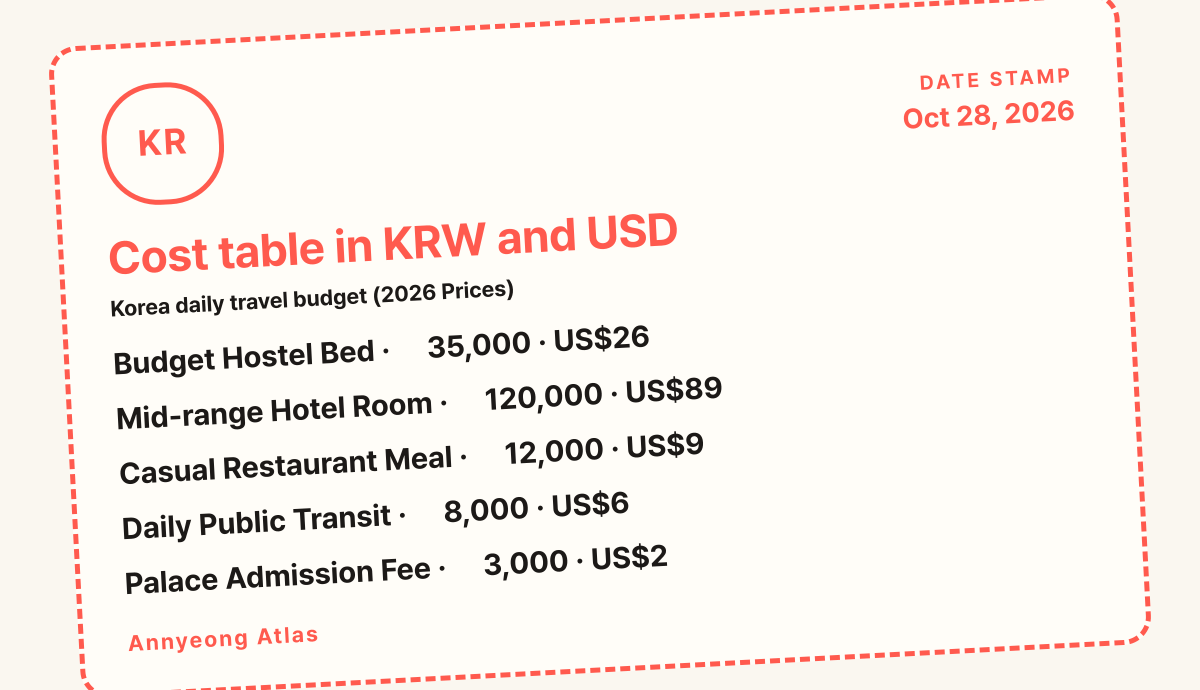
Cost table in KRW and USD
Understanding the breakdown of typical travel expenses helps in structuring your daily spending expectations accurately. The figures below reflect standard mid-range traveler habits across urban destinations managed under the oversight of the Bank of Korea (한국은행). All foreign currency equivalents are calculated at an approximate rate of ₩1,350 per US$1 for consistency across your planning documents.
| Item | KRW | About USD | Source |
|---|---|---|---|
| Budget Hostel Bed | ₩35,000 | US$26 | Estimated average |
| Mid-range Hotel Room | ₩120,000 | US$89 | Estimated average |
| Casual Restaurant Meal | ₩12,000 | US$9 | Estimated average |
| Daily Public Transit | ₩8,000 | US$6 | Estimated average |
| Palace Admission Fee | ₩3,000 | US$2 | Cultural Heritage Administration |
Reviewing this structured breakdown allows you to adjust individual expense categories based on your personal travel preferences and comfort requirements. Keep in mind that seasonal surges, such as autumn foliage peaks or cherry blossom season in spring, can drive accommodation costs upward. Maintaining a flexible buffer in your daily calculations ensures you can handle unexpected price variations without disrupting your travel itinerary. Cross-checking these estimates with official tourism resources provides an accurate foundation for your financial planning.
Fluctuations in exchange rates and local economic adjustments monitored by the Bank of Korea (한국은행) may alter the exact dollar value of your expenses during your stay. It remains prudent to check current financial indicators shortly before your departure to ensure your spending model stays accurate. Utilizing digital payment methods alongside physical cash gives you flexibility when managing these varying cost components. Always verify specific attraction entry fees on official venue portals if you plan to visit specialized exhibitions or regional heritage sites.
When mapping out urban transit logistics through tools like Naver Map, you will notice that basic underground train fares typically hover around ₩1,400 (US$1.04) per standard city trip. For travelers looking to translate local menus or signage on the go, leveraging applications such as Naver Papago remains completely free of charge. If you decide to book private vehicles or alternative transport services via Kakao Mobility, keep in mind that surge pricing may apply during peak commuting hours on dates like 2026.10.12. Additionally, baseline macroeconomic benchmarks published by the Bank of Korea note a base rate holding steady at 3.00% as of the October 22, 2026 monetary policy decision, which generally helps maintain stable consumer prices for everyday goods.
What changes the price
Your overall travel expenditure is heavily influenced by the specific season and timing of your visit to South Korea. Traveling during peak holiday periods, such as Chuseok or the vibrant autumn foliage season in October, leads to significantly higher demand for hotels and KTX train tickets. Conversely, visiting during the winter months or mid-summer rainy season often yields discounted accommodation rates and fewer crowds at major attractions. Planning your journey outside of national holiday windows is one of the most effective ways to stretch your daily travel budget further.
The geographical scope of your itinerary also dictates your average daily spending requirements. While bustling urban centers like Seoul (서울) offer extensive public transit networks that keep commuting costs low, rural excursions or island trips may require renting a car or booking specialized tours. Dining in trendy districts such as Gangnam (강남) or Itaewon (이태원) generally commands higher prices than eating in residential neighborhoods or university areas. Tailoring your destination choices to match your financial goals prevents unexpected budget overruns. For baseline economic reference, broader monetary policy decisions tracked by institutions like the Bank of Korea (한국은행) maintain the base rate at 3.00% as of October 22, 2026, influencing broader economic stability and foreign exchange values.
Your choice of accommodation style dictates a major portion of your baseline financial commitment. Staying in traditional guesthouses known as hanok (한옥) or international luxury hotels requires a higher daily allowance compared to modern boutique hostels or Airbnb rentals. Furthermore, booking your lodgings several months in advance secures early-bird rates that are rarely available for last-minute travelers. Factoring these booking timelines into your preparation schedule protects you from inflated peak-season tariffs.
Dining habits represent another variable that can rapidly shift your daily expenditure totals from modest to extravagant. Relying exclusively on high-end dining establishments, Western-style brunch cafes, and imported spirits increases your food budget threefold compared to eating at local markets and casual noodle shops. Balancing one special culinary experience with several casual meals keeps your overall food spending balanced. Embracing local eating customs not only preserves your financial resources but also delivers a more authentic cultural immersion. When coordinating transit and digital navigation tools across these activities, applications like Naver Map (네이버맵) help travelers accurately trace routes, while corporate providers like NAVER Corp. headquartered at NAVER 1784, 95 Jeongjail-ro, Bundang-gu, Seongnam-si, Gyeonggi Province, outline precise software terms for users requiring translation or mapping services; confirm on the official page for any specific digital data fee exemptions or updates applicable after October 23, 2026.
How to pay
Managing your money effectively in South Korea requires a mix of digital payment readiness and accessible physical currency. Credit cards are universally accepted at hotels, restaurants, convenience stores, and public transit ticket machines across major cities. Visa and Mastercard logos are standard, and contactless phone payments are supported nearly everywhere. However, carrying some physical won is essential for traditional street food stalls, rural market vendors, and older coin-operated lockers.
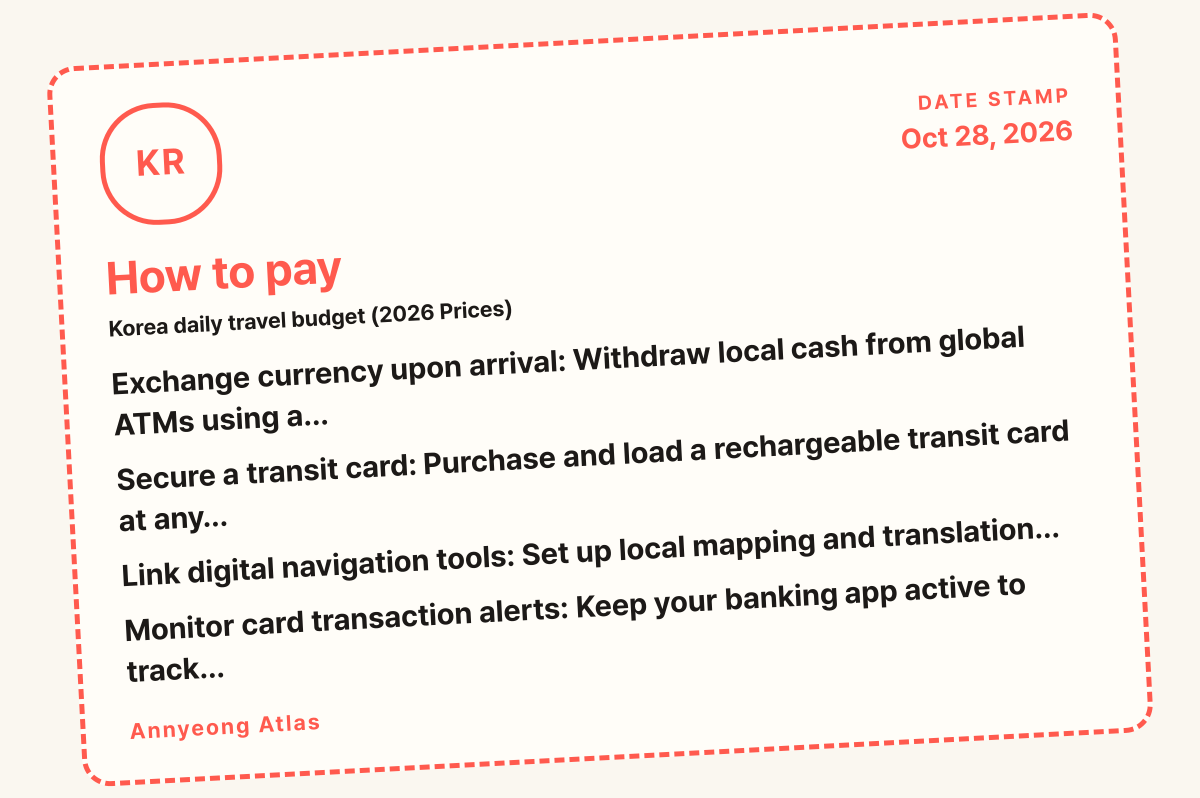
- Exchange currency upon arrival: Withdraw local cash from global ATMs using a fee-free travel card or exchange foreign bank notes at authorized currency booths in major transit hubs.
- Secure a transit card: Purchase and load a rechargeable transit card at any subway station service desk or convenience store to pay for subways, buses, and participating taxi fleets.
- Link digital navigation tools: Set up local mapping and translation applications on your mobile device to verify transport fares and restaurant menu pricing in real time.
- Monitor card transaction alerts: Keep your banking app active to track spending limits and foreign transaction fees associated with your international credit cards.
Adopting these payment strategies ensures you avoid unnecessary cash-withdrawal fees and currency conversion markups during your travels. Many modern banks offer specialized accounts designed for international travelers, featuring zero foreign transaction fees and favorable exchange rates. Be sure to inform your home financial institution of your travel dates to prevent unexpected security blocks on your cards. Keeping backup payment methods stored securely in separate bags provides peace of mind throughout your journey.
For seamless navigation and financial calculations while on the move, rely on official digital tools rather than unverified third-party services. Cash machines operated by major commercial banks charge predictable withdrawal fees, which are clearly displayed on the screen before you complete a transaction. Keep your receipts for major purchases in case you need to verify tax-refund eligibility at airport kiosks upon your departure. Proper financial preparation guarantees a smooth and stress-free exploration of the country.
When tracking broader economic conditions that influence daily spending, travelers can look to official institutions such as the Bank of Korea (한국은행), which announced on October 22, 2026, that the base rate remains unchanged at 3.00%. Confirm on the official page whether any updated financial policies or regulatory adjustments affect currency exchange limits during your specific visit window.
To navigate local transit and verify exact fares in real time, utilize platforms like Naver Map, which continuously pushes updates such as version 6.11.0 released on June 11, ensuring accurate travel planning across urban centers like Seoul (서울). If you encounter language barriers while calculating budgets or reading electronic kiosks, you can use Naver Papago, developed by NAVER Corp. headquartered at NAVER 1784, 95 Jeongjail-ro, Bundang-gu, Seongnam-si, Gyeonggi Province, with business registration number 220-81-62517. Confirm on the official page for any specific API limitations or service terms when translating extensive financial documents on your mobile device.
For ground transportation payments, services managed through Kakao Mobility offer integrated fare calculations for modern commuters traversing metropolitan districts. Travelers should budget approximately 10,000 KRW (roughly 7.50 USD) for basic short-distance taxi hops within city limits, though exact pricing updates can be reviewed directly on digital mobility applications before booking. Confirm on the official page if promotional discounts or seasonal transit passes apply during your travel dates.
Plan your itinerary carefully, verify your daily spending targets against current economic conditions, and review our Plan hub for final preparations before departure.
More Korea guides: Korea eSIM vs SIM vs Wi-Fi: Which Is Better?, How to complete the Korea e-Arrival card.
Q&A
How much cash should I carry daily?
Carrying about ₩30,000 to ₩50,000 in physical cash is usually sufficient for incidental purchases at street markets and small vendors. Most modern establishments prefer digital card payments, making heavy cash reserves unnecessary.
Are credit cards accepted everywhere in South Korea?
Credit cards are accepted at nearly all hotels, restaurants, convenience stores, and public transit turnstiles. Having a backup physical card is recommended in case your primary chip fails at an automated terminal.
Do I need to tip at restaurants or taxis?
Tipping is not customary or expected in South Korea, and service staff may politely refuse extra money left on tables. Prices listed on menus and transit fares are final, with no hidden service charges added afterward.
What is the cheapest way to travel between cities?
Taking standard express buses or regional trains offers the most economical intercity transit compared to high-speed KTX lines or domestic flights. Booking tickets in advance through official ticketing portals secures the best available fares.
How do I handle unexpected medical expenses?
Travelers should secure comprehensive international health insurance before departure to cover any unforeseen medical consultations or prescriptions. Pharmacies are widely available in every neighborhood for minor ailments and over-the-counter remedies.
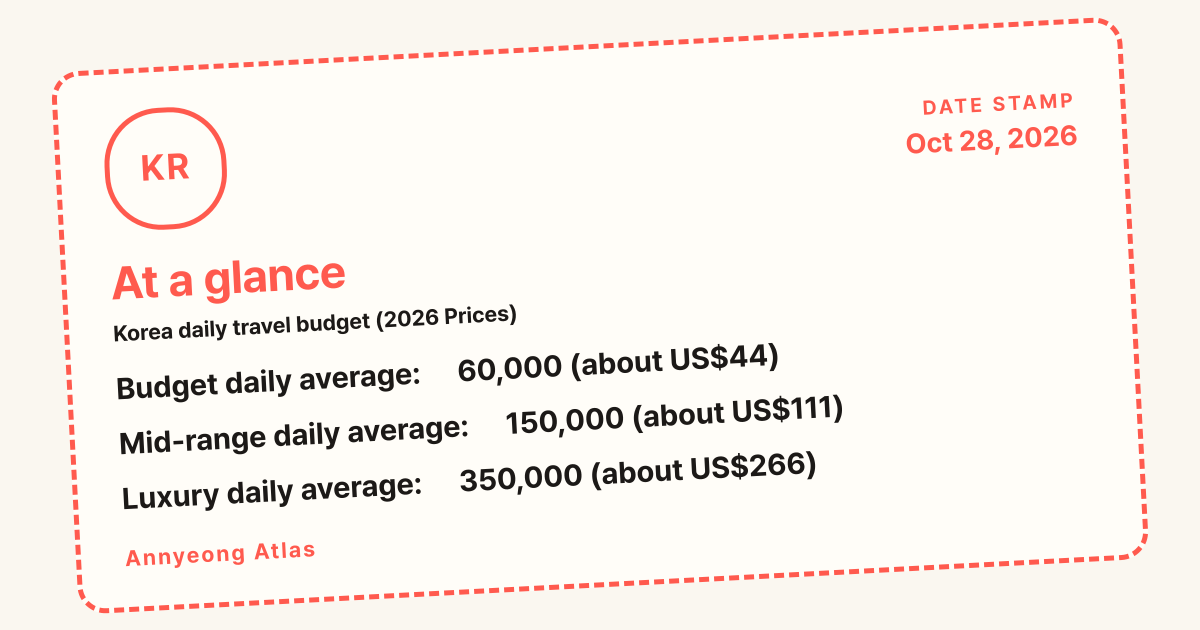
At a glance
- Budget daily average: ₩60,000 (about US$44)
- Mid-range daily average: ₩150,000 (about US$111)
- Luxury daily average: ₩350,000 (about US$266)
Related guides
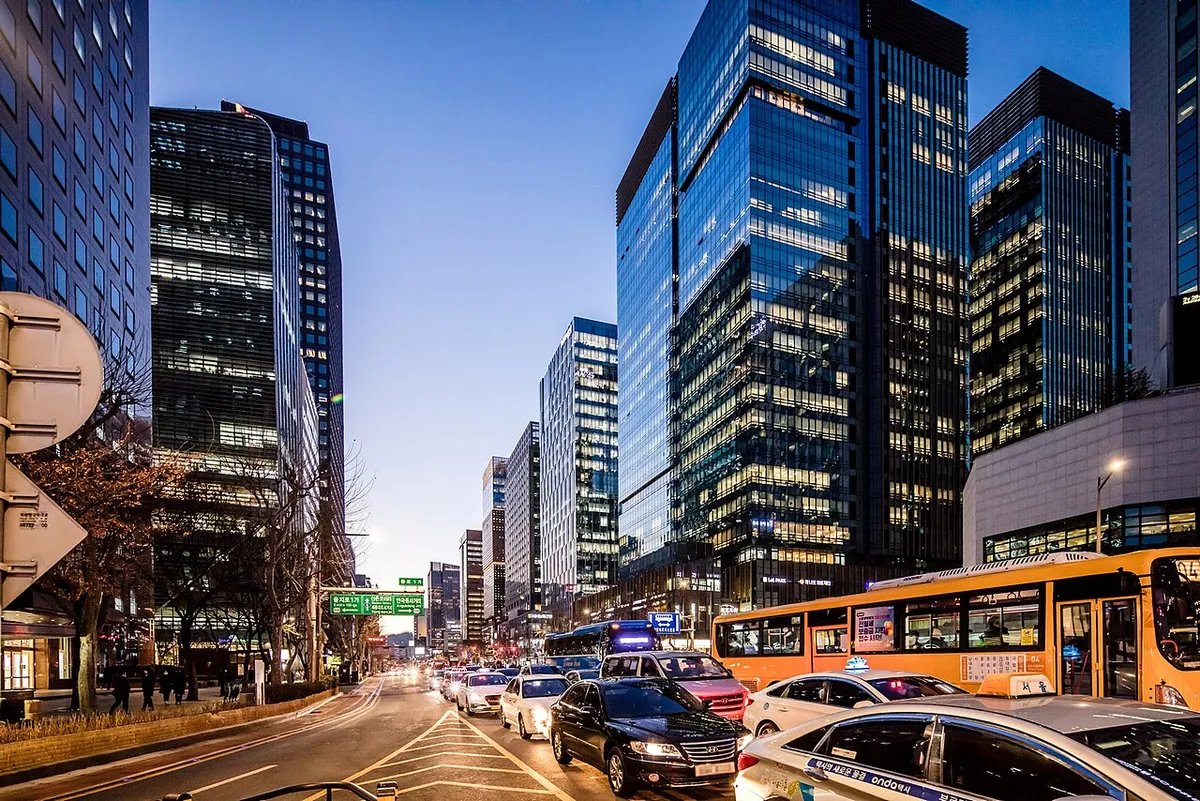
Korea eSIM vs SIM vs Wi-Fi: Which Is Better?
When researching Korea eSIM vs SIM vs Wi-Fi, most travelers find that an eSIM offers the best balance of price and hassle-free setup as of 28 October 20…
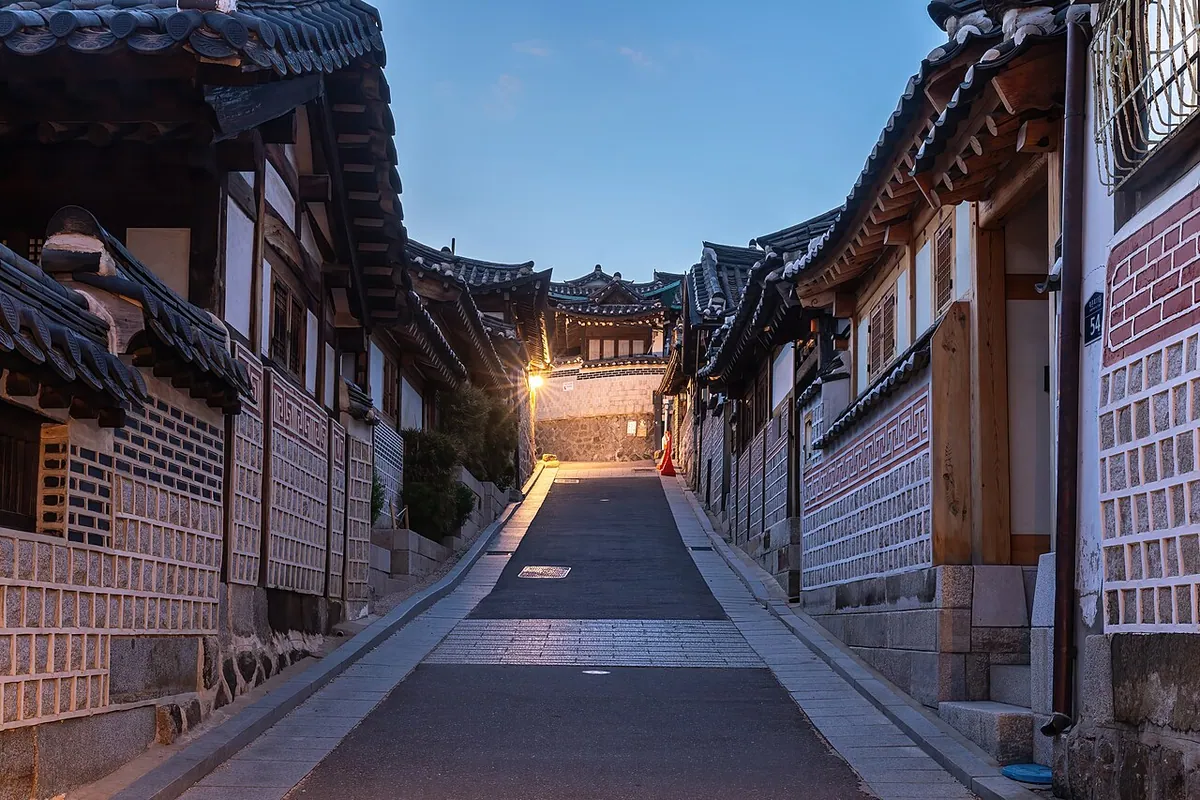
Best areas to stay in Seoul
Best areas to stay in Seoul: When researching the best areas to stay in Seoul, first-time international travelers should prioritize central districts…
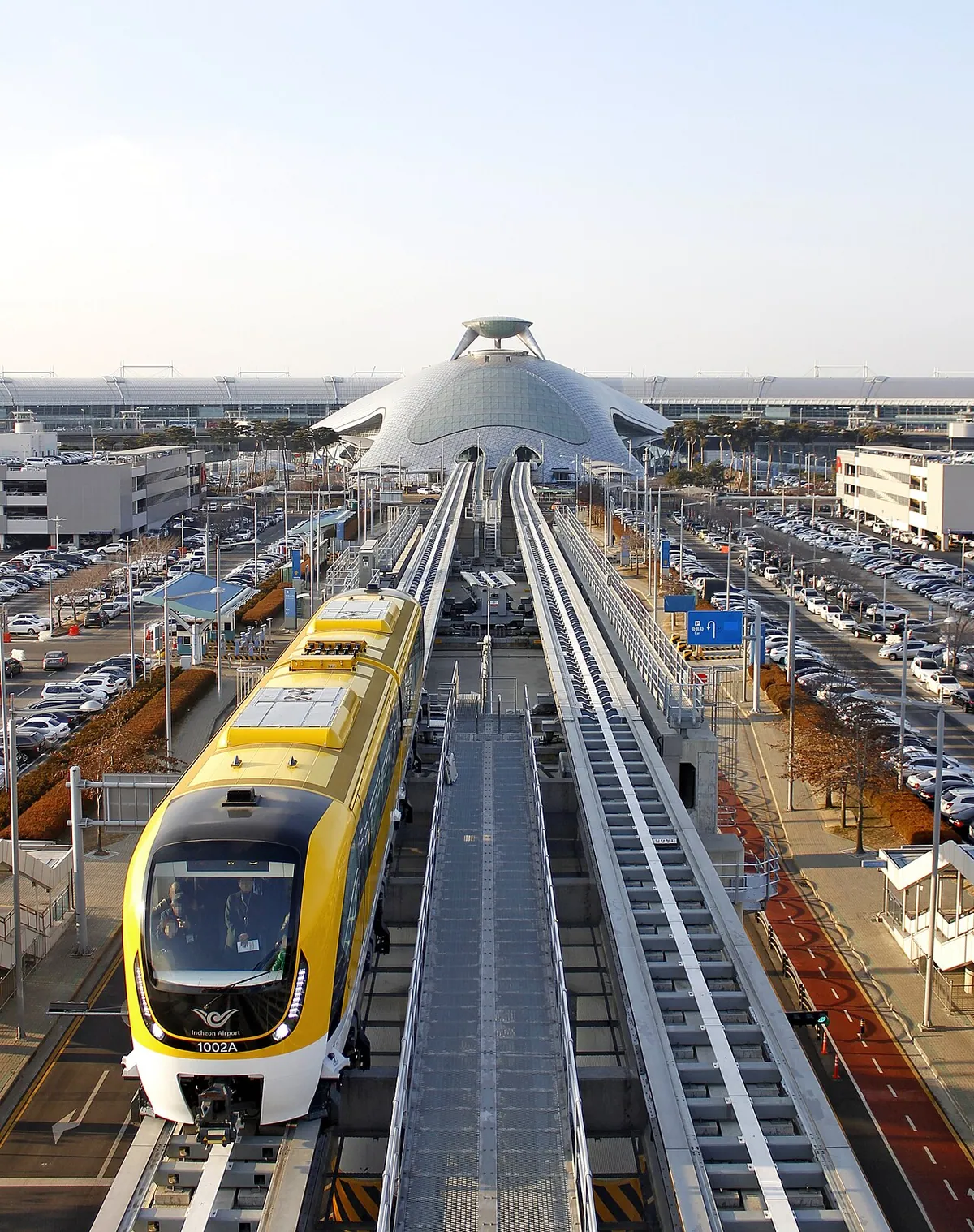
How to complete the Korea e-Arrival card
How to complete the Korea e-Arrival card: To complete the Korea e-Arrival card, visit the official Ministry of Justice portal, input your passport and…
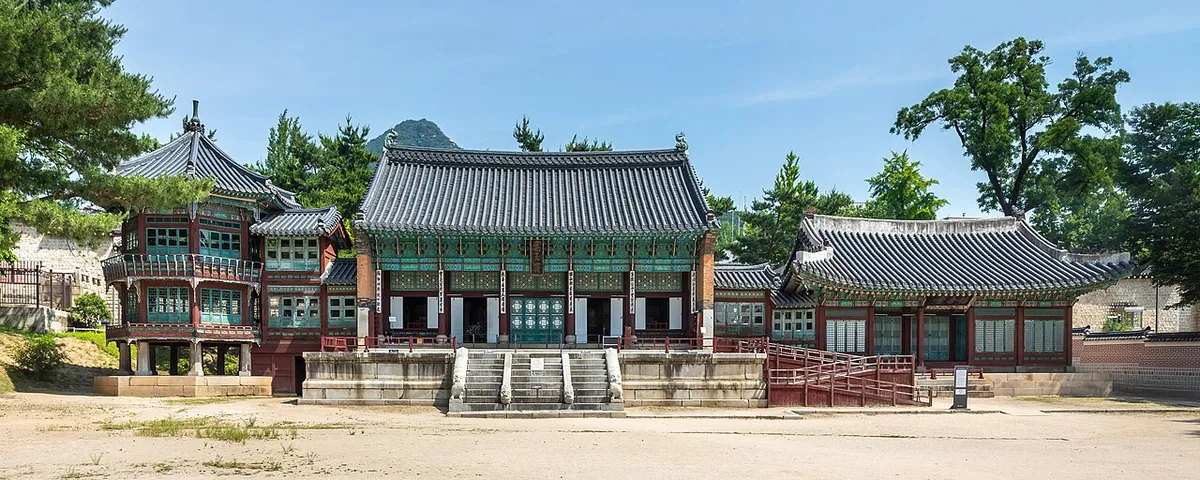
Seoul in 3 Days: Itinerary
To complete a well-paced 3-day Seoul itinerary, focus your trip on major cultural landmarks like Gyeongbokgung (경복궁), scenic walking trails such as the…