
Last verified: Oct 28, 2026 · Sources: 5
Korea autumn leaves 2026
Korea autumn leaves 2026 peak across the country from mid-October through mid-November.
- Section
- Plan
- Last verified
- Oct 28, 2026
- Sources
- 5
- Cluster
- festivals
On this page
At a glance
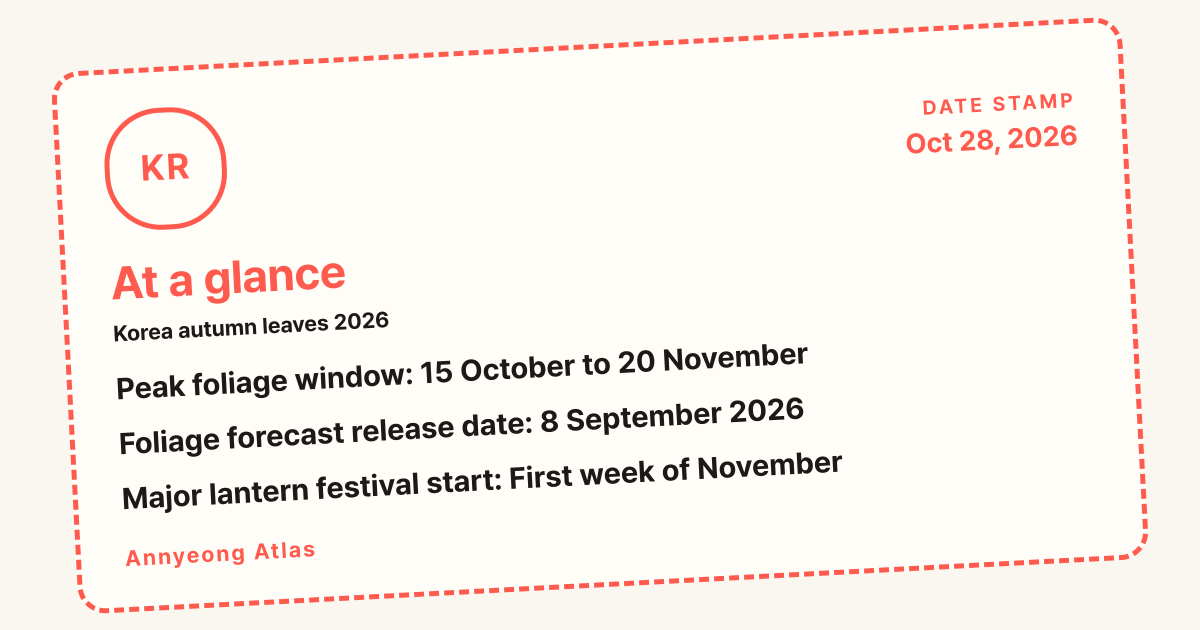
- Peak foliage window: 15 October to 20 November
- Foliage forecast release date: 8 September 2026
- Major lantern festival start: First week of November
October and November are prime months for experiencing the breathtaking transformation of South Korea’s foliage. Travelers should avoid the dead of winter in December and January if vibrant outdoor scenery is the primary goal of the vacation.
When is Korea autumn leaves 2026?
The autumn foliage season in South Korea is one of the most visually stunning periods of the year, drawing photographers, hikers, and casual travelers from around the globe. As temperatures begin to drop steadily following the humid summer months, the lush green canopies of maple, oak, and ginkgo trees transition into vibrant shades of crimson, amber, and gold. Planning a trip around this natural phenomenon requires an understanding of how the color change sweeps southward across the peninsula, typically starting in the northern mountains and higher elevations before reaching the southern coastal regions and urban parks.
According to data tracked by the Korea Meteorological Administration and published via resources like VISITKOREA (visitkorea.or.kr), the first autumn leaves generally appear on Mount Seoraksan (설악산) in late September or early October. From there, the wave of color descends steadily, turning national parks and city streets into a mosaic of warm hues. Travelers seeking comprehensive logistical advice before departure can review the planning tips available at Plan, while those interested in fueling their foliage hikes with local seasonal delicacies can consult Eat for recommendations on traditional autumn harvest dishes. Visitors booking guided regional excursions through official tourism channels should confirm on the official page regarding exact park entry fees, which usually average around 4,000 KRW (approximately 3.00 USD) for major mountain temples and provincial trails.
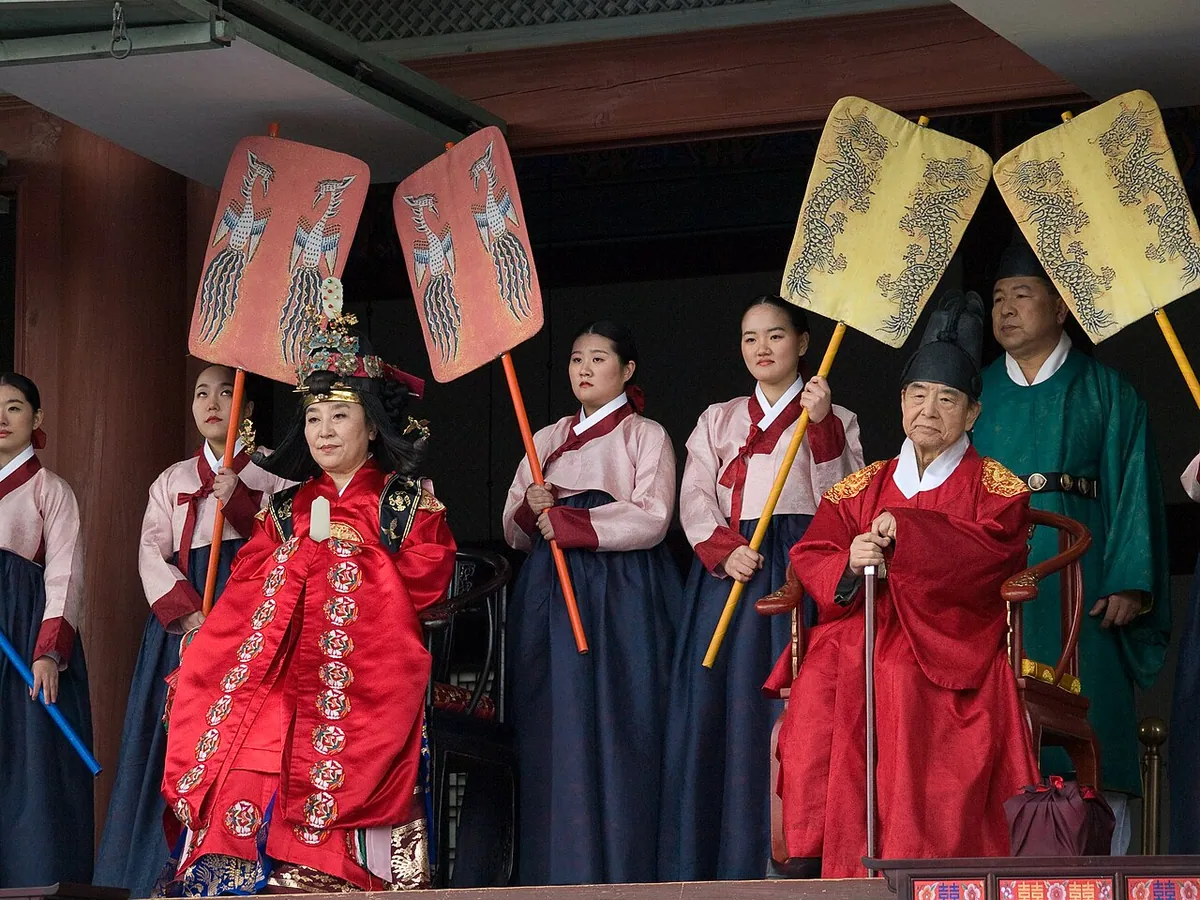
The progression of autumn is remarkably reliable, yet exact peak dates can shift by a few days depending on late-summer rainfall and sudden overnight frosts. Mount Seoraksan and Odaesan (오대산) usually hit their absolute peak around mid-October. Meanwhile, central regions including Seoul, Bukhansan (북한산), and historical areas like Gyeongju (경주) experience peak color from late October through the first week of November. Mountain passes and shaded valleys transform quickly, making timing essential for anyone hoping to witness the hillsides fully blanketed in autumn colors before the leaves begin to drop. To participate in seasonal cultural festivals such as the K-Hanbok Parade Series running through November 1, 2026, visitors can check specific exhibition schedules and secure advance reservations online.
Understanding this botanical clock helps visitors avoid arriving too early when trees are still stubbornly green or too late after winds have stripped the branches bare. For accommodations near major mountain trailheads or city parks renowned for their autumn views, check out the listings on Stay. To navigate the complex transit networks connecting Seoul to remote national parks, the tools and transport guides at Tools offer valuable assistance in mapping out train and express bus schedules. International travelers arriving via regional gateways can also review updated transport routes by checking seasonal tourist cards or transit advisories published directly on the official Visit Seoul portal at english.visitseoul.net.
Month by month
September marks the very beginning of the seasonal shift, though true autumn foliage is sparse outside of the highest mountain peaks. Daytime temperatures remain pleasant for hiking, but the dense forests retain their summer green. By late September, a crispness enters the air, signaling the approaching change, and travelers visiting during this month will mostly see early color tinges on high-altitude branches rather than sweeping landscapes of red and gold. To track the exact onset of the color wave, visitors can consult updates published on official channels such as VISITKOREA starting in early September.
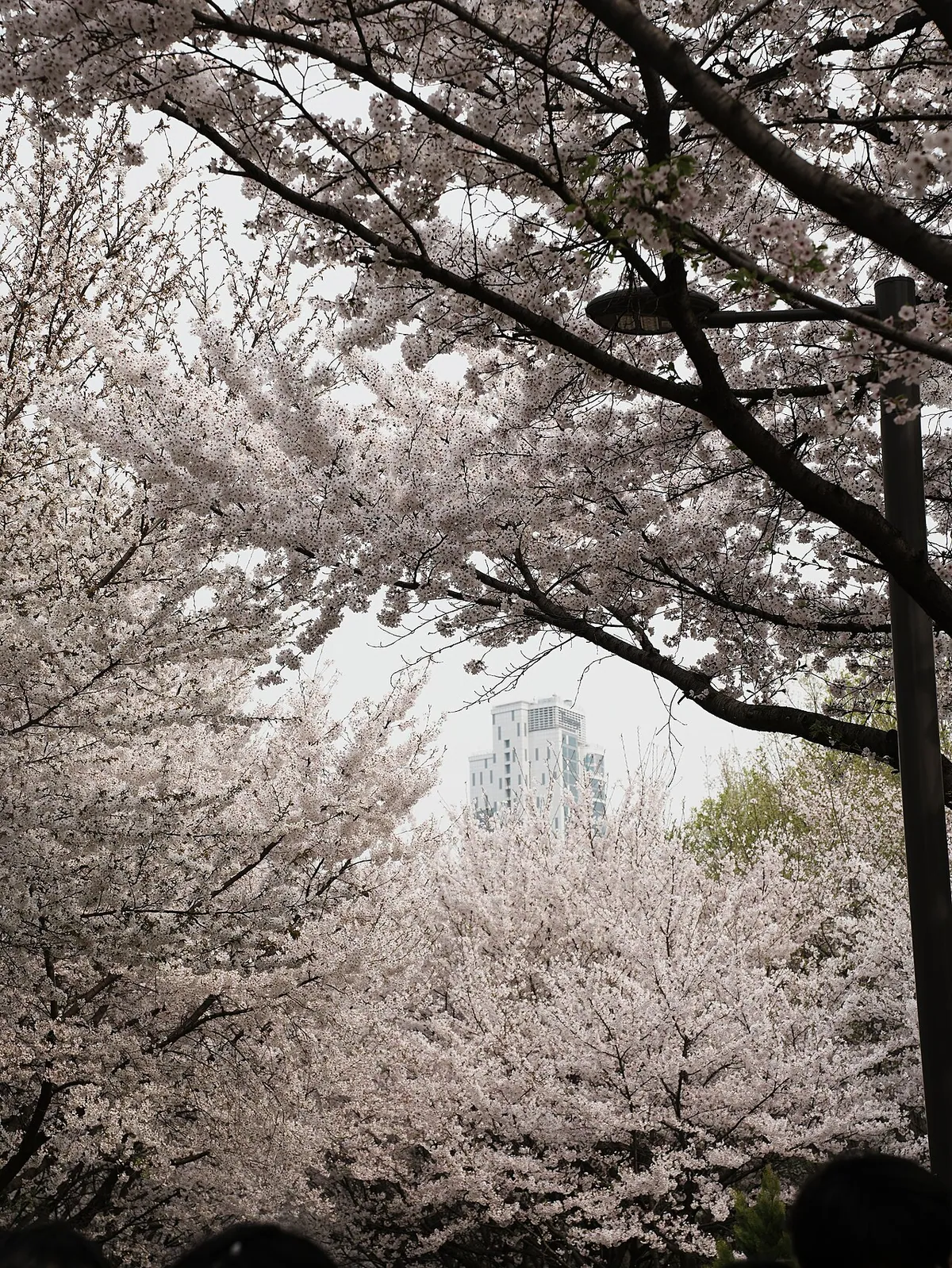
October is the undisputed star of the season. The color wave cascades down from the northern peaks into the valleys and urban centers, transforming royal palaces, university campuses, and mountain trails. Mid to late October brings peak foliage conditions to northern and central national parks. Seoul reaches its stride during this month, offering comfortable walking weather and stunning vistas in public spaces. Festivals and cultural events also ramp up across the capital, celebrating both the crisp weather and traditional arts, including special programs running through Visit Seoul.
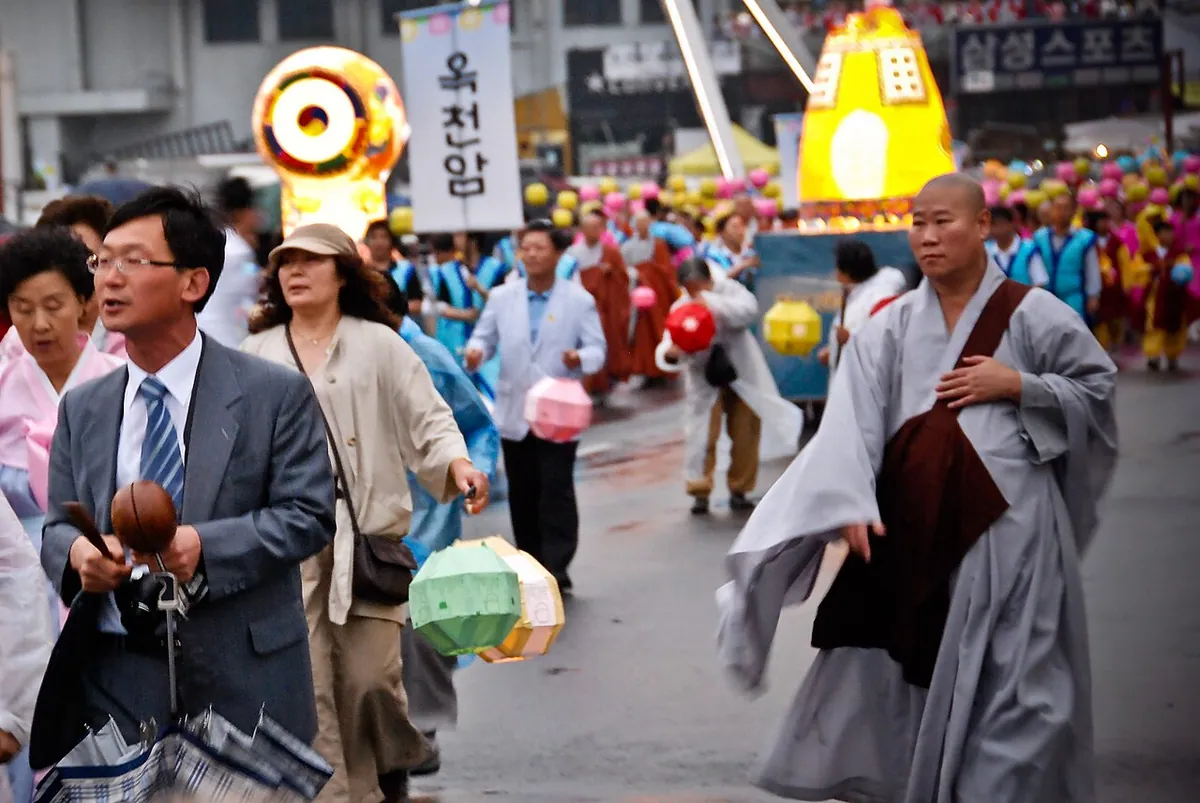
November shifts the focus southward and toward urban cultural festivals. While mountain foliage begins to fade and transition into bare branches by mid-November, southern destinations like Jeju Island (제주도) and Jeonju (전주) retain vibrant late-season color. Additionally, early November kicks off major events such as the Seoul Lantern Festival around the Cheonggyecheon (청계천) stream, offering illuminated night walks that complement the lingering autumn ambiance. Visitors should note that special exhibition access fees during this period generally start around 5,000 KRW (approximately 3.65 USD), though you should confirm on the official page before booking tickets.
December concludes the season, though it belongs strictly to the onset of winter rather than autumn. Foliage has entirely fallen, temperatures regularly drop below freezing, and the landscape prepares for winter snowfalls. Travelers visiting in December should pivot their itineraries toward indoor museums, royal palace architecture, and winter seasonal markets rather than outdoor leaf-peeping excursions. For official public administration notices and winter safety guidelines during this transition, you can check announcements provided by the Seoul Metropolitan Government.
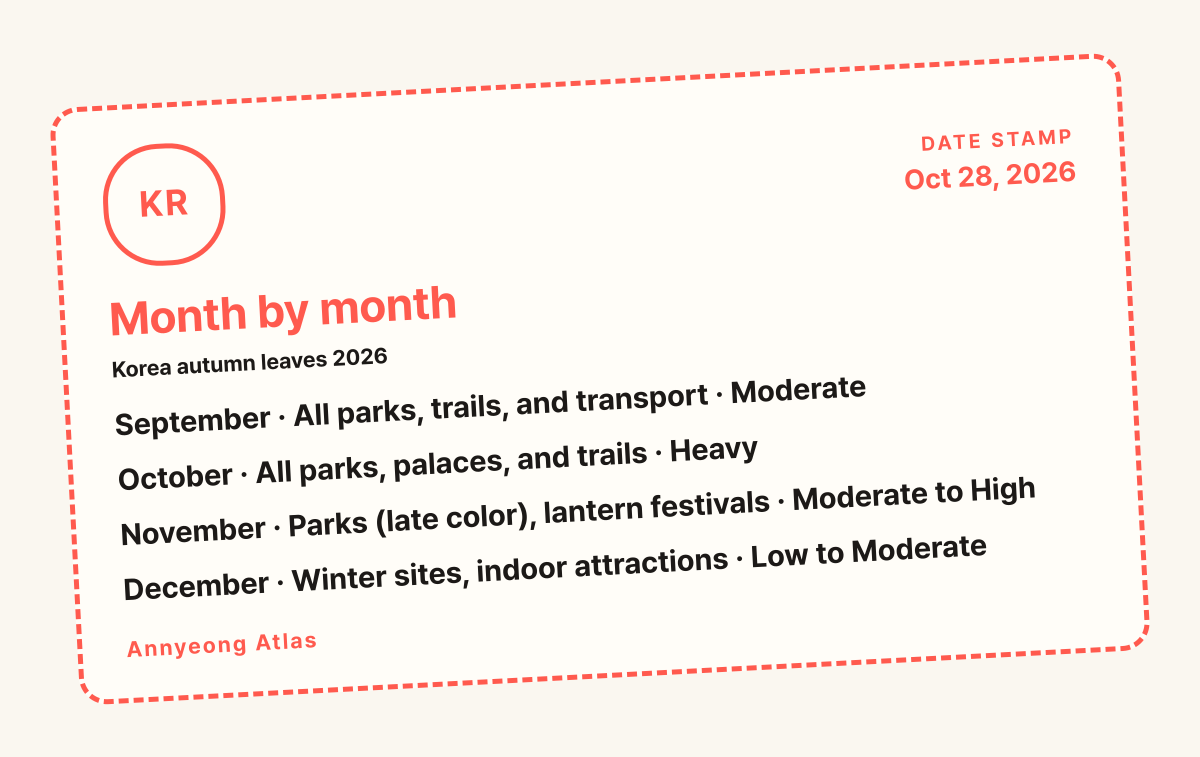
| Month | What is open | Crowds | Note |
|---|---|---|---|
| September | All parks, trails, and transport | Moderate | Early mountain tints only; mostly green |
| October | All parks, palaces, and trails | Heavy | Peak foliage month across central Korea |
| November | Parks (late color), lantern festivals | Moderate to High | Southern peaks and urban night events |
| December | Winter sites, indoor attractions | Low to Moderate | Winter transition; leaves have fallen |
Where to go in peak weeks
Deciding where to witness the autumn leaves depends heavily on whether a traveler prefers rugged mountain hiking or accessible urban parks. For a classic mountain experience, Mount Seoraksan National Park near Sokcho (속초) offers dramatic granite peaks framed by fiery maples. Trails range from easy walks to strenuous ridge climbs, all surrounded by some of the most intense color displays in the country. Visitors should check trail conditions directly on official park portals before setting out, as certain paths may experience temporary access restrictions for environmental conservation.
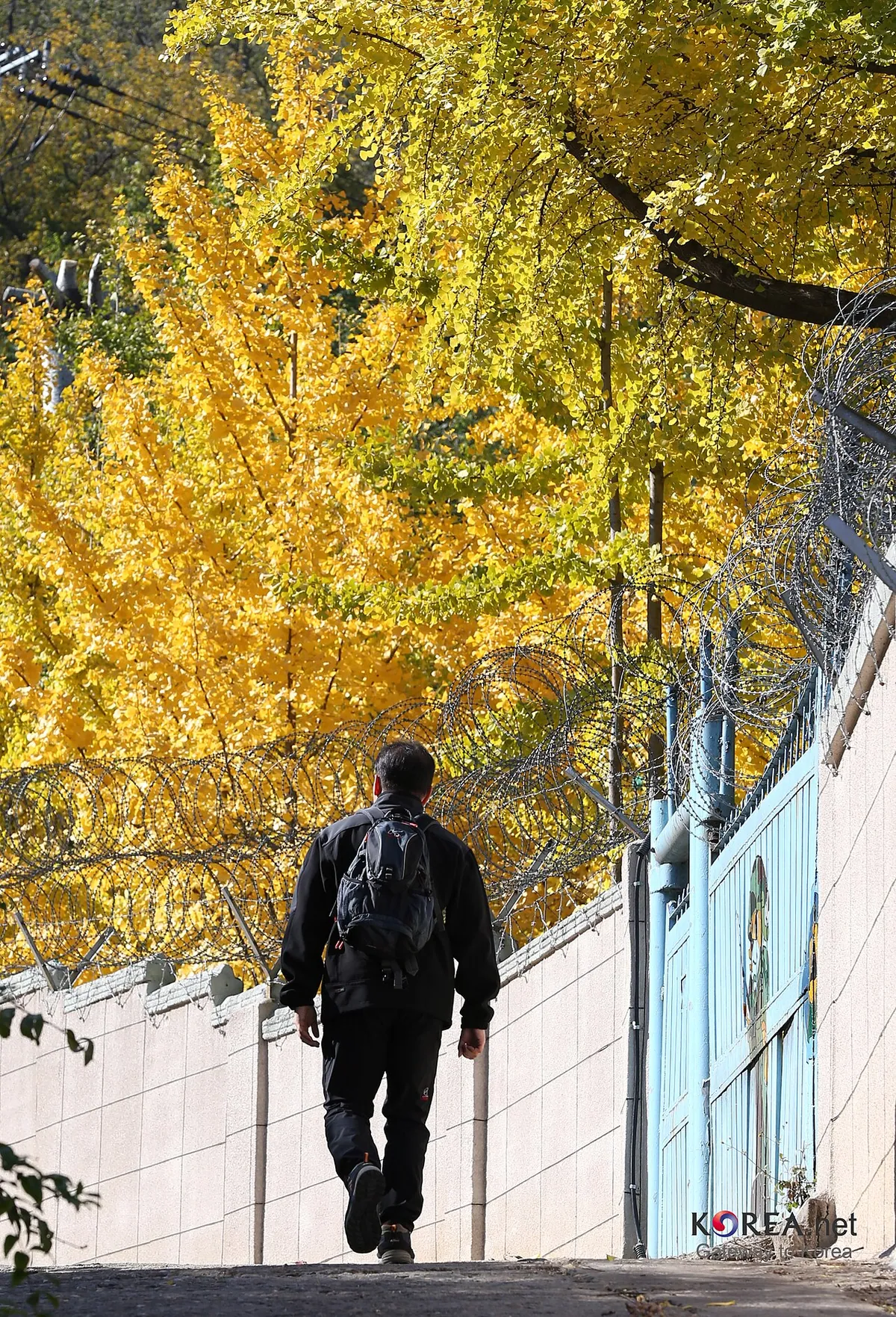
Within the capital, Seoul provides exceptional leaf-viewing opportunities without requiring a long-distance bus ride. Namsan (남산) mountain offers sweeping views of the city skyline framed by autumn foliage, along with the scenic Namsan Southern Walking Path highlighted by Visit Seoul. Deoksugung (덕수궁) Stonewall Walkway is another beloved urban escape, where historic stone walls meet the brilliant yellow of towering ginkgo trees. Haneul Park (하늘공원) adds a different texture to the season with its vast fields of swaying silvergrass shimmering under clear autumn skies.
For those interested in historical depth combined with natural beauty, Changdeokgung (창덕궁) and its Secret Garden (비원) provide a regal backdrop for falling leaves. Reservations for the Secret Garden often fill up weeks in advance during peak autumn weeks, so checking the official palace reservation page is critical. Further south, Gyeongju offers ancient royal tombs covered in manicured lawns surrounded by blazing red maples, merging Korea’s Silla Dynasty history with seasonal splendor. When planning travel through VISITKOREA, tourists can monitor regional foliage transitions carefully. On October 22, 2026, the platform announced winners for its popular “Into K-Autumn” foliage trip event.
Exploring these diverse locations requires careful pacing and preparation. Travelers should follow specific logistical steps to secure a seamless journey. For instance, high-speed train tickets or express bus seats cost around 40,000 KRW ($30 USD) for one-way trips, but booking windows open precisely 30 days prior. If any pricing ambiguity arises during peak season reservations, confirm on the official page before completing payment.
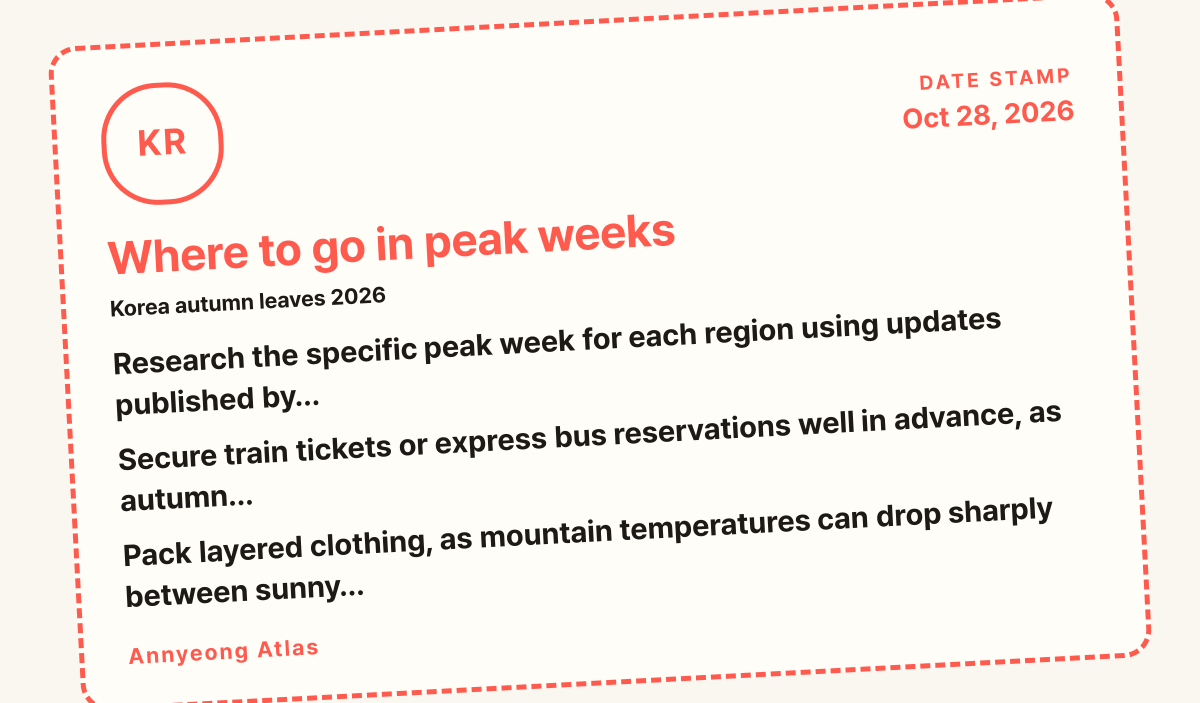
- Research the specific peak week for each region using updates published by VISITKOREA.
- Secure train tickets or express bus reservations well in advance, as autumn weekends are extremely popular with local hikers.
- Pack layered clothing, as mountain temperatures can drop sharply between sunny afternoons and chilly shaded valleys.
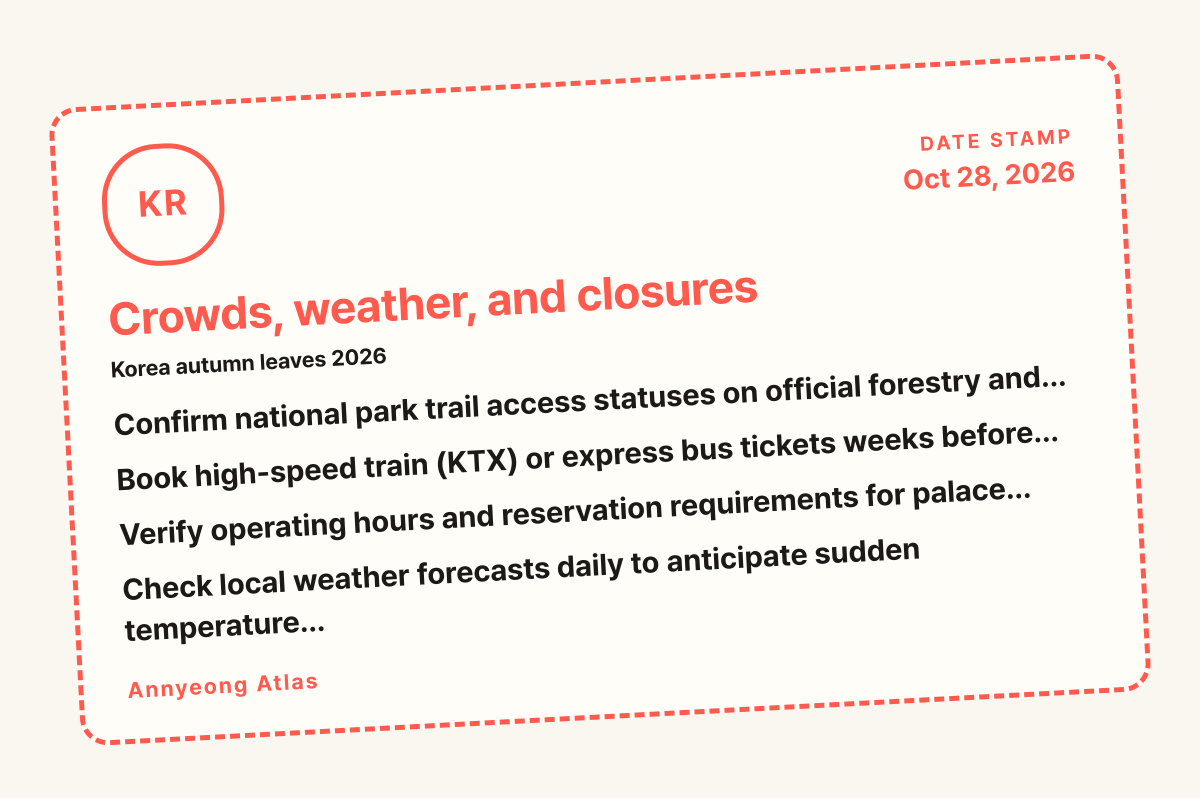
Crowds, weather, and closures
Autumn is peak tourist season in South Korea, drawing millions of domestic and international visitors to national parks and cultural landmarks. Weekends, in particular, see massive crowds on hiking trails, express buses, and popular photo spots like the Deoksugung Stonewall Walkway. Travelers seeking a quieter experience should aim for early weekday mornings when trailheads are relatively calm and morning mist still clings to the valleys.
Weather during October and November is generally crisp, dry, and ideal for outdoor exploration. Daytime temperatures in Seoul hover comfortably, though nights can become chilly, requiring a solid jacket or fleece. Rainfall is relatively infrequent compared to the summer monsoon season, but sudden autumn windstorms can occasionally accelerate leaf drop, shortening the peak viewing window in exposed mountain areas. According to the official Seoul Metropolitan Government portal (seoul.go.kr), autumn daytime conditions typically hover around 7.1 degrees Celsius (44.8 degrees Fahrenheit) during late-season transitions, meaning visitors must pack appropriate layering pieces to stay warm.
Seasonal closures and infrastructural updates are common during this high-traffic period. For instance, municipal authorities occasionally adjust traffic patterns or pedestrian zones around major rivers and parks, such as the pedestrian-focused adjustments managed by the Seoul Metropolitan Government (seoul.go.kr) along bridges like Jamsugyo (잠수교). Travelers should verify temporary traffic notices or festival schedules on official city portals. Visitors planning to explore specialized autumn exhibitions running through December 6, 2026, at venues like ARKO Art Center should confirm specific ticket entry fees, which generally require booking or checking on the official page if precise KRW pricing is not listed.
Before heading out to major autumn destinations, checking off a few logistical tasks ensures a smooth trip:
Plan your autumn itinerary today by reviewing transport connections and seasonal gear guides to make the most of South Korea’s brilliant foliage window.
More Korea guides: How to complete the Korea e-Arrival card, K-ETA who needs it in 2026: Answers to 8 Questions.
Q&A
When do the autumn leaves start changing in Korea?
The foliage transformation typically begins in late September on the highest peaks of Mount Seoraksan in the northeast. The color change then moves steadily southward and down to lower elevations throughout October. By mid to late October, most central regions and major national parks reach their stunning peak color displays.
Where are the best places to see autumn leaves in Seoul?
Top urban spots include Namsan Mountain with its scenic walking paths, Deoksugung Stonewall Walkway for striking ginkgo trees, and Haneul Park for silvergrass fields. Changdeokgung Palace and Bukhansan National Park also offer incredible natural and historical autumn scenery right within or bordering the metropolitan area.
Is November too late to see autumn leaves in South Korea?
Early November still offers fantastic foliage viewing in southern regions like Naejangsan National Park (내장산국립공원) and Jeju Island, as well as urban areas. However, northern mountain peaks and high-altitude trails will have passed their peak by mid-November and transitioned into bare winter branches.
How do I check the official 2026 fall foliage forecast?
Official forecasts are published annually by meteorological agencies and tourism organizations such as VISITKOREA. The 2026 forecast release was issued on 8 September 2026, providing travelers with regional breakdown maps and estimated peak dates to guide their itinerary planning.
Are reservations needed for autumn festivals and royal palaces?
Major seasonal events like the Seoul Lantern Festival at Cheonggyecheon do not require advance tickets for general viewing. However, specialized tours, palace secret gardens, and certain cultural exhibitions require pre-booking or timed-entry reservations through official government tourism sites.
Related guides

K-ETA who needs it in 2026: Answers to 8 Questions
K-ETA who needs it in 2026: Travelers from eligible visa-waiver countries need a K-ETA unless they fall under specific temporary exemptions valid…

How to complete the Korea e-Arrival card
How to complete the Korea e-Arrival card: To complete the Korea e-Arrival card, visit the official Ministry of Justice portal, input your passport and…
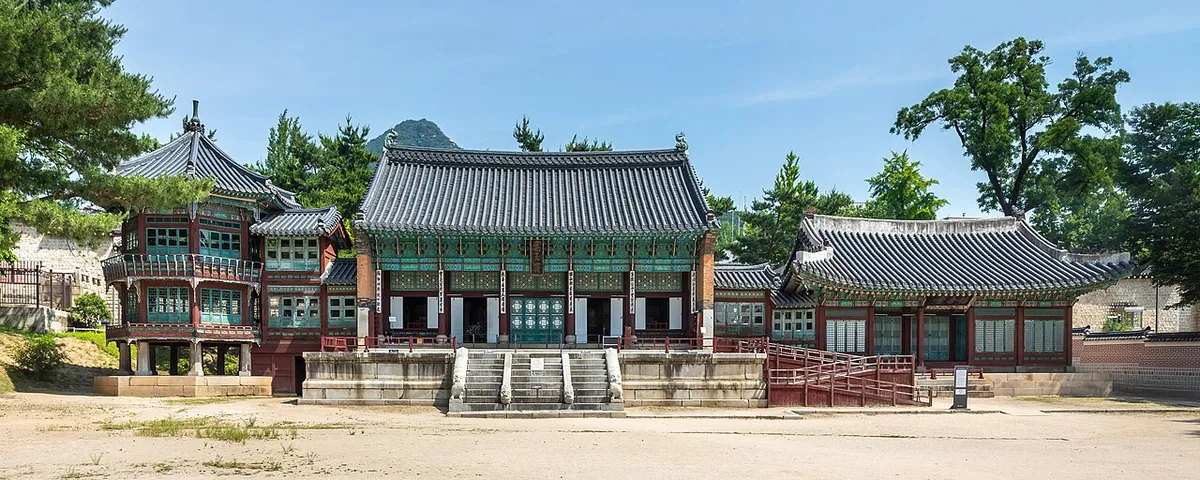
Seoul in 3 Days: Itinerary
To complete a well-paced 3-day Seoul itinerary, focus your trip on major cultural landmarks like Gyeongbokgung (경복궁), scenic walking trails such as the…
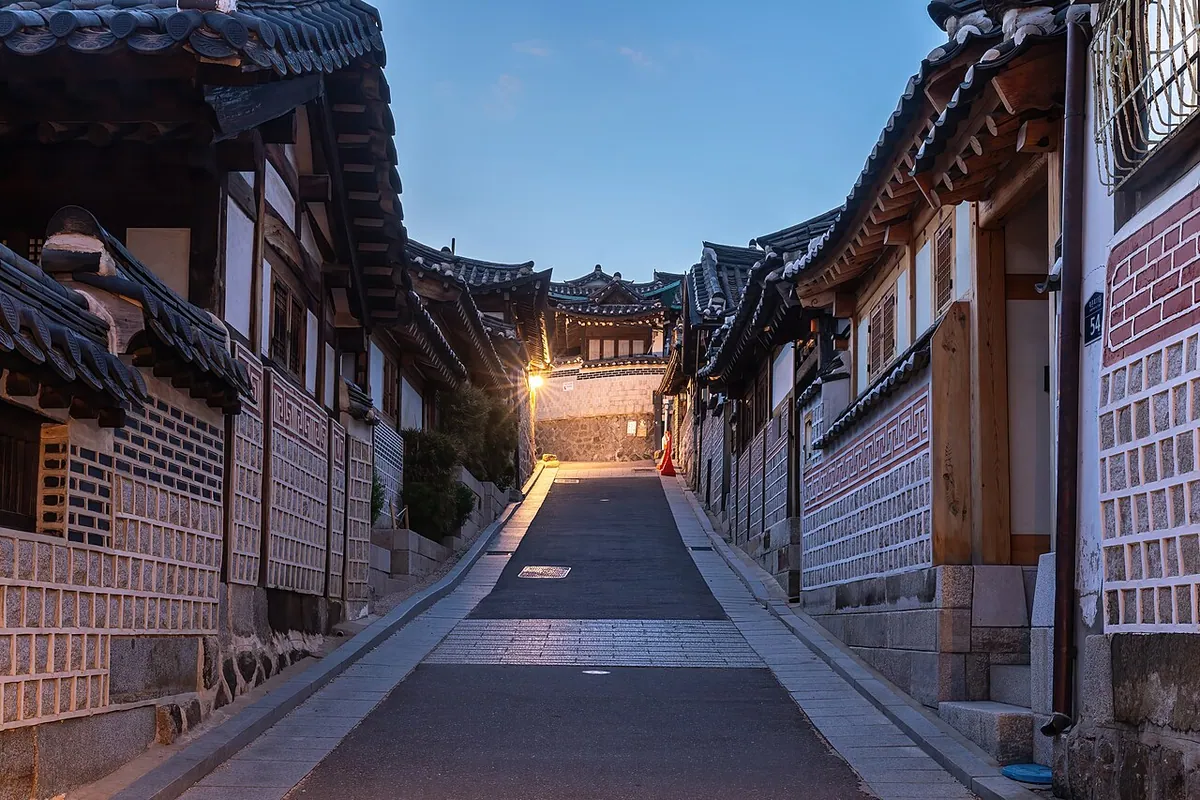
Best areas to stay in Seoul
Best areas to stay in Seoul: When researching the best areas to stay in Seoul, first-time international travelers should prioritize central districts…